Wine tasting in Santiago: the best vineyards and wine tours near the city
Where to go wine tasting in and near Santiago, Chile: Cousiño Macul inside the city, Concha y Toro, Santa Rita, two-winery Maipo days and wine bars, with prices and times.
You can go wine tasting in Santiago without leaving the city. Cousiño Macul winery, a family estate founded in 1856, sits in the eastern district of Peñalolén, and the first Maipo Valley vineyards start about 50 km from the center, so you can spend the morning sightseeing and be tasting Cabernet Sauvignon beside the Andes by lunchtime; our guide to the best Maipo Valley tasting experiences compares the formats. For a first wine trip, start in the Maipo Valley: it is Chile’s historic Cabernet country and home to Concha y Toro, Santa Rita and Cousiño Macul.
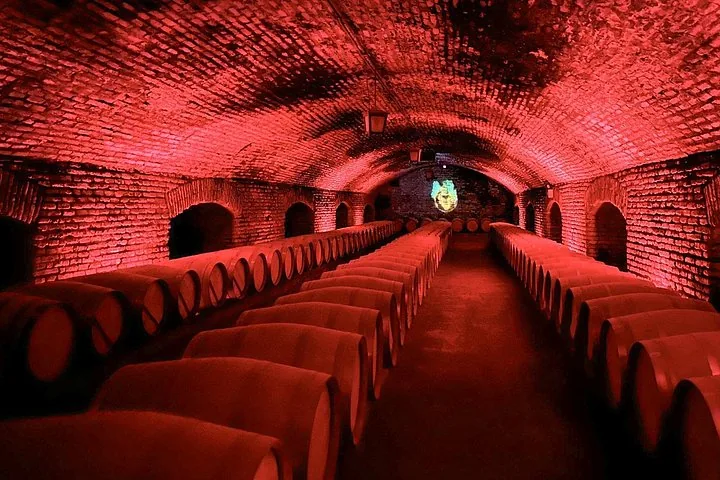
The choice comes down to how much time you want to spend on the road, how much you care about wine, and whether you want a polished visitor attraction, a historic family estate or a full day in wine country. If you have only a few hours, the Cousiño Macul Traditional Wine Tour in English below is the shortest real vineyard visit from the city: one hour in the vineyard and historic cellars with three wines, from $27 and rated 4.9 from 400+ Viator reviews. Prices and ratings were checked in October 2026.
Check Availability
Same ride, also on GetYourGuide
From $25 per person · ★ 4.9 from 210+ GetYourGuide reviews
Each platform sets its own price and collects its own reviews, so compare both before you book on Viator.
Can you go wine tasting in Santiago?
Yes, and Santiago is one of the easiest big cities in the world from which to reach an established wine region. There are two quite different ways to do it.
Stay in the city. Book a table at a wine bar, a guided Chilean wine tasting or a wine-and-food evening, or visit Cousiño Macul, which sits inside Santiago’s urban area. This works when you have only a few hours.
Leave the city for a vineyard. Within about an hour you can reach the main wine areas of the Maipo Valley: Pirque, Buin and Alto Jahuel, and the Andean side of Maipo. Chile Travel, the national tourism board, puts the first Maipo vineyards about 50 km from Santiago, with a typical journey of around an hour. The real time depends on where you start and on traffic, but a genuine vineyard visit fits even a short stay.
Our quick picks:
| If you want | Go to |
|---|---|
| A winery in half a day | Cousiño Macul |
| The best-known name | Concha y Toro |
| Wine, history and gardens | Santa Rita |
| A first wine region | Maipo Valley |
| Serious Cabernet | A two-winery Maipo day |
| No travel out of central Santiago | A wine bar or urban tasting |
| White wine | Casablanca Valley, for Sauvignon Blanc and Chardonnay |
Other Experiences
Other experiences you might enjoy
More Maipo Valley wine tours, each with its own page and booking link.

Best wineries near Santiago compared
| Winery | Area | Time from Santiago | Best for | Typical visit | Our pick to book |
|---|---|---|---|---|---|
| Cousiño Macul | Peñalolén, inside Santiago | Closest, a taxi ride | Short stays, history, a small-group feel | 1 to 1.5 h at the winery | Traditional Tour, $27, 4.9 from 400+ |
| Concha y Toro | Pirque | 45 to 55 min by car | First-timers, the famous name, a polished visit | 2 to 3.5 h at the winery | Premium Wine Center Tour, $105, 4.8 from 930+ |
| Santa Rita | Alto Jahuel, Buin | About 45 min | History, gardens, museum, lunch | Half or full day | Santa Rita tour with lunch, $207, 4.8 from 420+ |
| Two Maipo wineries | Various | Full day with transfers | Wine lovers | Full day | Private Aquitania and Santa Rita, $290, 5.0 from 14 |
| Casablanca Valley | West, toward Valparaíso | Longer day trip | White wine, cool-climate styles | Full day | No tour on this site |
Driving times in Santiago change a lot with traffic, so treat every estimate here as approximate.
1. Cousiño Macul: the closest wine tasting to central Santiago
Cousiño Macul suits visitors with limited time who still want a real vineyard and cellar. The winery is at Avenida Quilín 7100 in Peñalolén, inside the city, so unlike the other estates here it does not take a full excursion. There is no transport on its own tours: take a taxi or ride-hailing app, or the metro to Quilín station and then bus D17 or a taxi.
The estate matters historically too. It was founded in 1856 and still belongs to the same family, which makes it one of Chile’s classic family-owned wine estates. With vineyards, historic cellars and a museum, it feels much more like a winery than a tasting room in town.
What tours are available?
As of October 2026, the winery lists several experiences:
- The Traditional Tour takes about one hour and includes three wines and a souvenir glass. The Traditional Tour in English sells on Viator from $27 (4.9 from 410+ reviews), and the Cousiño Macul Heritage Wine Tour on GetYourGuide from $25 (4.9 from 210+ reviews).
- The Premium Tour takes about 1.5 hours and adds premium wines and food pairings. The Premium Tour in English is from $45, with 4.9 from 210+ Viator reviews.
- More specialized visits, sold by the winery directly: vineyard bicycle tours (18+, Tuesday to Sunday), vertical tastings (Thursday and Friday) and a sunset tour in spring and summer.
Winery-direct prices start around CLP 25,000 for the Traditional Tour, and the longer or premium experiences cost roughly CLP 37,500 to 55,000. Experiences and prices change with the season, so check with the winery before you go. If you want the visit arranged for you, the Cousiño Macul private tour with premium tasting adds hotel pickup, from $90 (4.9 from 79 reviews), and the Bahá’í Temple and Cousiño Macul tour pairs the winery with the temple above Peñalolén in three hours, from $96 (4.8 from 250+ reviews).
Why choose Cousiño Macul?
Choose it if you have only half a day, want to keep transfers to a minimum, prefer a historic estate to a big visitor attraction, want to learn about traditional Maipo wine, or care most about Cabernet Sauvignon.
The downside is the setting. The city has grown around the estate, so it does not feel as rural as wineries deeper in Maipo. If you picture endless vineyards and country roads, Santa Rita or a multi-winery Maipo day will suit you better. For travelers short on time, though, no winery near Santiago is easier. Our Cousiño Macul winery tours page compares every way to book it.
2. Concha y Toro: best for a first winery visit
If you know one Chilean winery before you arrive, it is probably Concha y Toro. The estate is in Pirque, in the Maipo Valley, 27 km from Santiago and 45 to 55 minutes by car according to the winery. It is a large company, but its wine center occupies the historic property where the winery was founded in 1883.
You can see vineyards, historic buildings, the century-old estate park, production spaces, the famous Casillero del Diablo cellar, tasting rooms, and restaurants and wine bars. The renovated complex goes well beyond the old basic cellar tour: Concha y Toro describes it as the historic estate, the park, the Bodega 1883 restaurant, the Casillero del Diablo cellar and several food-and-wine spaces.
What does a Concha y Toro tour include?
It depends on the experience. The October 2026 list starts with the Premium Guided Tour, 120 minutes with four wines, at CLP 50,000. Other options add Marqués de Casa Concha or icon-wine tastings, food pairings, lunch, a sunset visit or a night tour with dinner, and run 160 to 210 minutes at CLP 60,000 to 100,000. All of them cover some mix of the park and vineyard, museum-style exhibits and the Casillero del Diablo cellar.
From Santiago, the Concha y Toro Premium Wine Center Tour is a five-hour trip by bus from Plaza de Armas, Las Condes or Parque Arauco, from $105 (4.8 from 950+ Viator reviews), and the Marqués de Casa Concha Tasting at Concha y Toro adds a seated tasting with a cheese board, from $135 (4.9 from 1,270+ reviews).
Is Concha y Toro worth visiting?
Yes, especially for a first winery visit. It is not the smallest or most intimate winery in Chile. It works because it puts a recognizable brand, history, architecture, vineyards, professional guiding, approachable tastings, easy online booking and food in one place. If you know little about Chilean wine, it gives you the context fast. A very experienced wine traveler may find the basic visit more commercial than a boutique winery.
Choose Concha y Toro if this is your first Chilean winery, you know the brand, you like polished visitor attractions, you want a simple half-day trip, or you are traveling with someone less interested in technical wine detail. Look elsewhere if you want to meet winemakers, taste tiny-production wines or have a quiet private tasting, or if large-scale tourism puts you off.
For a full verdict, with every official ticket and how to get there on your own, read whether Concha y Toro is worth visiting; Concha y Toro tours from Santiago compares the trips with transport.
3. Santa Rita: wine, history and a full afternoon
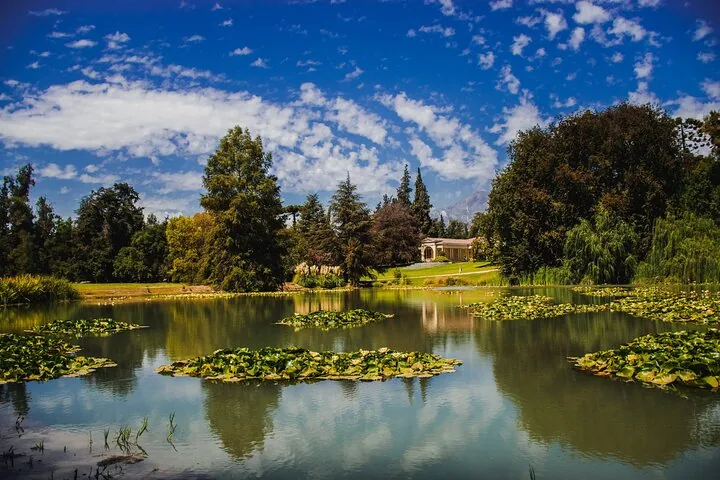
Santa Rita is the winery to choose when the outing itself matters as much as the wine. The estate sits in Alto Jahuel, Buin, in the foothills south of Santiago, about 45 minutes from the city in normal traffic according to the winery. Do not rush it: the property holds historic winery buildings, large gardens, the Museo Andino, wine tours, a restaurant, heritage sites, the Hotel Casa Real and some of Maipo’s most important Cabernet Sauvignon vineyards.
Why Santa Rita is different
Santa Rita is tied to an episode of Chilean independence history: 120 patriots found refuge on the estate, the origin of the winery’s well-known 120 label. That history gives it a different atmosphere from a standard cellar tour, and even visitors only mildly interested in wine enjoy the grounds and museum.
Current Santa Rita wine tours
The winery runs tours in English, Spanish and Portuguese, with several start times every day. Its premium experience is listed at about CLP 55,000 per person and lasts about 1 hour 30 minutes. Other itineraries combine the tasting with lunch, the gardens, the museum, carriage rides or picnics. The tourism circuit operates roughly 10 a.m. to 6 p.m.; confirm your tour time when you book. Our full Santa Rita visitor guide compares all eight visits.
From Santiago, the Santa Rita vineyard tour with lunch is a nine-hour group trip with three wines, a three-course lunch and the Andean Museum, from $207 (4.8 from 420+ Viator reviews).
Who should choose Santa Rita?
Pick it if you have most of a day, enjoy history and gardens, want lunch at the winery or are interested in premium Maipo Cabernet. Its Casa Real Cabernet Sauvignon, one of the flagship wines, comes from Alto Jahuel. It is the wrong place to squeeze into a rushed half day: you can do a short tour, but the reason to come is to linger.
4. A two-winery Maipo tour: best for serious wine travelers
If wine is one of the main reasons you are in Chile, visit more than one winery. A two-winery day lets you compare different parts of Maipo, a large producer with a smaller one, Cabernet styles, historic cellars, winemaking approaches, and entry-level with premium wines. That comparison is the point of the day.
Itineraries often pair Santa Rita with a smaller estate, or Concha y Toro with another Maipo producer; our guide to small Maipo wineries lists the family producers that take visitors by appointment. The private Aquitania, Santa Rita and Chilean lunch tour does it in seven to eight hours with hotel pickup, from $290; it has only 15 reviews so far, all 5.0. The Concha y Toro and Undurraga tour is the budget version with hotel pickup, from $76, though at 4.0 from 200+ GetYourGuide reviews it is the lowest-rated tour on this site; our Undurraga winery guide covers that estate. A private day can be planned more efficiently around two chosen wineries and lunch; private Maipo Valley wine tours compares them.
How many wineries should you visit in one day?
Two is the right number for most people. One can feel short if wine is the purpose of the day. Three sounds efficient on paper but often turns into car, tasting, car, tasting, lunch, car, tasting, car, and by the last winery the details blur together. Two give you contrast without turning wine country into an endurance test.
A good day might run like this, depending on reservations and driving times:
| Time | Stop |
|---|---|
| 10:30 | First winery |
| 12:30 | Lunch |
| 15:00 | Second winery |
| 17:00 | Return to Santiago |
Do not book three wineries just because a tour allows it: two good visits and a proper lunch make a better Maipo day than racing through three tastings. If you do want the classic small-group day, the Maipo Valley Wine Tour: 4 Wineries, Pisco Tasting and Optional Lunch is the most-reviewed tour on this site, from $109 with 4.9 from 2,930+ Viator reviews, but plan for ten hours.
5. Wine tasting in central Santiago
What if you have only one evening? You can still get a useful introduction to Chilean wine without visiting a vineyard, and it is not a second-rate substitute. A good urban tasting can teach you more about Chile as a whole, because a vineyard mostly pours its own wines, while a Santiago wine bar can pour Maipo, Casablanca, Colchagua, Aconcagua, Limarí, Maule and Itata in one sitting.
Santiago’s Historic Center Wine Route
In September 2026 Chile Travel featured a Historic Center Wine Route through central Santiago, built on the capital’s wine heritage: one of the city’s first vineyards was planted in 1554 in today’s Barrio Brasil, and the first wine registered in Chile was made in 1555 on the slopes of Cerro Santa Lucía, in today’s Barrio Lastarria. The route lists 23 restaurants and wine venues, including Bocanáriz, Chipe Libre, Bristol, Magnolia Bistró, Mulato and Café Precolombino.
It is a self-guided list rather than a tour you book, and it suits travelers who:
- arrive too late for a vineyard tour
- have only one night in Santiago
- dislike organized excursions
- want to sample wines from several Chilean valleys
Vineyard visit or wine bar?
| Choose a vineyard if… | Choose a Santiago tasting if… |
|---|---|
| You want to see where grapes grow | You have limited time |
| You enjoy countryside scenery | You want wines from several regions |
| You want cellars and production context | You want an evening activity |
| You want a half-day or full-day excursion | You don’t want transfers |
| You are interested in Maipo specifically | You want to compare Chilean styles |
Ideally, do both: spend a day in Maipo, then use an evening at a wine bar to taste the regions you did not visit.
Is Maipo Valley the best wine region near Santiago?
For most first-time visitors, yes. It is far from Chile’s only good wine region, but Maipo combines proximity, history, Cabernet Sauvignon, famous wineries and easy day tours. Chile Travel describes it as one of the country’s oldest wine regions and its classic Cabernet territory. If you are staying in Santiago and want to visit Chilean wine country, it is the easiest answer. Our guide to Maipo Valley wine tours from Santiago covers every way to get there.
Maipo Valley vs Casablanca Valley
The main alternative is Casablanca Valley, and the two are quite different.
| Maipo Valley | Casablanca Valley | |
|---|---|---|
| Direction from Santiago | South and southeast | West, toward Valparaíso |
| Classic grape | Cabernet Sauvignon | Sauvignon Blanc and Chardonnay |
| Climate | Warmer | Cooler, maritime |
| Wine style | Reds | Whites and Pinot Noir |
| Best for | Classic Chilean wine history | Cool-climate wine |
| Easy from Santiago? | Yes | Yes, but usually farther |
| Combine with | Santiago | Valparaíso and Viña del Mar |
Choose Maipo if you drink Cabernet Sauvignon, Carménère, Merlot and structured reds. Choose Casablanca if you prefer Sauvignon Blanc, Chardonnay, Pinot Noir and fresher cool-climate wines. Chile Travel itself sets Casablanca’s white wines against Maipo’s historic tradition.
Should you visit Colchagua from Santiago?
You can, but it is a bigger commitment than Maipo. Colchagua is a major wine destination and well worth it for enthusiasts, but it is farther from Santiago, so a day trip means much more time on the road. With one wine day, choose Maipo or Casablanca. With two or more, consider staying overnight in Colchagua. Our comparison of Maipo, Casablanca or Colchagua helps you pick, and our Santiago wine tours guide names a bookable day in each valley. Chile Travel’s multi-valley itineraries treat Maipo, Casablanca and Colchagua as separate destinations, not interchangeable winery stops.
Which wines should you taste near Santiago?
If you visit Maipo, start with these. Our guide to what to drink in the Maipo Valley goes deeper.
Cabernet Sauvignon
The essential one. Expect blackcurrant, blackberry, firm tannins, cedar, herbs, mint and graphite. Maipo has the strongest historic reputation for the grape in Chile; why Maipo is famous for Cabernet explains the terroir.
Carménère
Chile’s emblematic grape, often softer than Cabernet, with dark plum, blackberry, spice, herbs and pepper. Even if Cabernet is the focus of the tasting, try a Carménère while you are here.
Cabernet blends
Premium Maipo producers often blend Cabernet Sauvignon with Cabernet Franc, Carménère, Merlot or Petit Verdot. These can be some of the valley’s most interesting wines.
Sauvignon Blanc and Chardonnay
You will find white wines at Santiago-area wineries, but if white wine is your main interest, Casablanca Valley is usually the better destination.
What does a winery tasting usually include?
A typical winery tour runs through:
- a welcome and the estate’s history
- a walk through vineyards or gardens
- an explanation of grape growing
- the production facilities
- the barrel cellar
- a guided tasting
Depending on the experience, you taste roughly three to six wines. Premium tours may add reserve or icon wines, cheese, charcuterie, chocolate, small food pairings or lunch. Never assume the most expensive wines are included: check the wine list before booking if it matters to you.
What does wine tasting near Santiago cost?
The range is wide, and our Maipo Valley wine tasting prices page sets every winery’s tiers side by side with a full-day budget. Winery-direct prices in CLP, from the wineries’ own October 2026 listings, and tour prices in USD from the listings on this site:
| Experience | Approximate price per person |
|---|---|
| Basic winery tour and tasting, booked direct | CLP 25,000 to 40,000 |
| Premium winery tasting, booked direct | CLP 40,000 to 60,000 and up |
| Longer food or premium experiences, booked direct | CLP 60,000 and up |
| Half-day tour from Santiago with transport | $60 to $135 |
| Full-day group tour with transport | $76 to $207 |
| Private tour | $90 for Cousiño Macul to $636 for three estates |
Examples:
- Cousiño Macul’s Traditional Tour costs about CLP 25,000, and its premium and specialist tastings roughly CLP 37,500 to 55,000.
- Santa Rita lists a premium tour at about CLP 55,000.
- Concha y Toro’s Premium Guided Tour costs CLP 50,000, the tasting upgrades CLP 60,000 to 100,000.
Prices change, and tours booked through agencies cost more because transport and guiding are included.
Is it cheaper to book the winery directly?
Usually, if you can organize transport yourself. A direct winery ticket covers the tour and tasting. A tour from Santiago can also include hotel pickup, a guide, transport, more than one winery, lunch or food, and the planning. Compare the whole day, not just the ticket price.
How to get to the wineries
Can you visit wineries without a tour?
Yes, but usually with a reservation. Visiting independently does not mean showing up whenever you like: many Chilean wineries run guided visits at fixed times and in set languages. Chile Travel recommends booking Maipo winery visits ahead, especially in busy periods, and for Concha y Toro, Cousiño Macul and Santa Rita, booking online in advance is the safest approach.
Can you get to Maipo Valley by public transport?
For some wineries, yes, though it is often less convenient than the map suggests. A trip can mean the metro, a local bus, a taxi or ride-hailing car, some walking and waiting between connections. For Concha y Toro, the winery’s own directions are Metro Line 4 to Plaza de Puente Alto, then a taxi, about 75 minutes in all. Our guide to getting to Maipo Valley by Metro, taxi or car has the route for each winery. For one well-placed winery this works; for two in a day, public transport quickly becomes inefficient. Chile Travel lists private transport, intercity buses and the occasional rail excursion as ways to reach the wine valleys, and recommends organized transport or a designated driver when you taste.
Is Uber a good way to visit wineries?
For one winery, a ride-hailing car is very practical. Concha y Toro even offers an Uber option during its own booking process. For a multi-winery day, an organized tour, a hired driver or a private transfer works better. Getting there is easy; the problem is having a car when you want to leave, especially from rural estates. Arrange the return before the tasting starts.
Should you rent a car?
Only if someone is not drinking. Chile Travel recommends a tour or designated driver for wine tasting, and Chile’s zero-tolerance law treats 0.3 g of alcohol per liter of blood as driving under the influence. With tours, transfers and ride-hailing available, a rental car rarely makes sense for a dedicated wine day.
Half-day or full-day wine tour?
A half day suits you if you have limited time, want one winery, are in Santiago only briefly, and choose Cousiño Macul or Concha y Toro. Pick one winery: Cousiño Macul is the easiest, Concha y Toro the most famous. Forcing two wineries into half a day usually gets you more transport and less wine country. Half-day Maipo wine tours compares the short options.
A full day suits you if you want two wineries, care about wine, want lunch, prefer a relaxed pace and want to see more of the Maipo Valley. For most wine lovers, a full day with two wineries and lunch is the best balance.
With only two hours, stay in Santiago. Book a focused Chilean wine tasting or go to a specialist wine bar: five carefully chosen Chilean wines will teach you more than a trip spent mostly in traffic.
Private or group wine tour?
| Group tour | Private tour | |
|---|---|---|
| Advantages | Cheaper, easy to book, sociable, fixed itinerary, transport included | You choose the wineries and timing, more time at each, easier to add lunch, good for serious enthusiasts, couples and small groups |
| Downsides | Less control, more waiting, tasting at the group’s pace, little choice of wineries | Much more expensive |
Is a private wine tour worth it?
For one traveler, usually not. For two people, it depends on your budget. For four or more, the per-person gap can become far more reasonable. A private tour pays off when you want boutique producers, premium wines, two or three specific wineries, a winery lunch, time for photos or a deeper conversation about wine. Our guide to whether a private Maipo wine tour is worth it sets the prices by group size side by side.
Best wine experience by traveler type
| Traveler | Best choice |
|---|---|
| First visit to Chile | Concha y Toro |
| Only three or four free hours | Cousiño Macul |
| Serious Cabernet fan | Two-winery Maipo tour; ask which premium Cabernets are poured |
| History lover, or wants history and beautiful grounds | Santa Rita |
| Wants lunch at a winery | Santa Rita or a private Maipo tour |
| Doesn’t want to leave Santiago | A guided urban tasting or wine bar |
| Prefers Sauvignon Blanc and Chardonnay | Casablanca Valley |
| Couple wanting a relaxed day | Private two-winery tour |
| Backpacker or budget traveler | One winery booked directly |
| Wants the best possible wine day | Two Maipo wineries and lunch |
| Traveling with a companion who doesn’t drink wine | Santa Rita or Concha y Toro, where there is more to see |
When is the best time for wine tasting in Santiago?
Wineries run tours all year, but each season feels different; our guide to the best time to visit Maipo Valley goes into each month.
February to April: harvest
The best time for atmosphere. Chile Travel puts the grape harvest at roughly February to April, when the wine regions hold harvest festivals and special tastings. In 2026, Concha y Toro ran a public Harvest Experience from 14 March to 18 April, with grape picking in its Pirque Viejo Cabernet Sauvignon vineyard, for CLP 120,000 with lunch. If seeing grapes and active production matters to you, come then.
October to December: green vineyards
Spring and early summer bring green vines, generally pleasant temperatures, clear vineyard views and long days. It is the most photogenic period before the grapes ripen.
January and February: hot and sunny
Expect strong sun, dry conditions, ripe vineyards and heat around midday. Bring sunscreen, a hat and sunglasses, and drink plenty of water.
May to August: winter
Winter means dormant vines, bare canes, cooler weather and less picturesque vineyards, but the wine tastes exactly as good. If you care more about cellars, history and tasting than vineyard photos, winter is a good time. May is among the quieter months for visitors staying in Santiago, while July is the busiest month for overnight stays in the city’s hotels and other accommodation.
Does the day of the week matter?
Yes. Major wineries may run tours every day, but boutique wineries and specialist experiences may not; Cousiño Macul’s seasonal and specialist tours, for example, run on set days only. Check the booking calendar, especially for Mondays, public holidays, seasonal experiences and English-language tours.
Practical tips for a winery visit
Do Santiago winery tours run in English?
Yes. Concha y Toro and Santa Rita both run tours in Spanish, English and Portuguese, and Cousiño Macul takes English bookings for several standard tours. Language departures may run only at certain times, so book the English-language slot instead of assuming every departure is multilingual.
What should you wear?
Nothing formal. Wear comfortable shoes, light layers, sun protection in summer and a jacket in winter. Skip very high heels if the tour crosses vineyards, gravel paths or historic cellars, and expect the cellars to be noticeably cooler than outside.
Should you wear perfume to a wine tasting?
Ideally not. Strong perfume, aftershave or scented lotion can interfere with your sense of smell and other guests’. It matters more at a serious premium tasting than on a casual visit, but it is good tasting manners either way.
Do you need wine knowledge?
Not at all. A good tasting explains what you are drinking, the grape, where it grows, how the wine was made and which flavors to look for. Do not worry about spotting “pencil shavings, wet stone and forest floor.” Ask simple questions, such as “What makes this wine typical of the Maipo Valley?” or “Which wine would you buy for dinner tonight?” You often learn more from those answers than from trying to perform like a sommelier.
Should you spit wine during a tasting?
You can. Professional tasters spit routinely, and if you are tasting several wines, especially at two wineries, it is sensible. There is no requirement to finish every pour, and water and food help.
Can children visit Santiago wineries?
Policies vary. At Concha y Toro, children can join the tour, but under-18s cannot enter the tasting room and wait outside with an adult during the tasting; child (8 to 17) and infant (0 to 7) rates are shown when you book. Many tours from Santiago serve wine only to over-18s and ask for ID. Check the exact experience: tasting-room rules vary, cycling tours may have age limits and premium experiences may be adults only. For families, Santa Rita’s gardens and museum make it more appealing than a tasting-focused winery.
Can you eat at the wineries?
At some. Santa Rita has Restaurant Doña Paula, and its programs combine tours with lunch. Concha y Toro’s wine center has the Bodega 1883 restaurant and other food-and-wine venues. Other tours offer cheese boards, snacks or small pairings. Check whether lunch is actually included: a “full day” tour does not always include the meal.
The best wine tasting itinerary from Santiago
For most first-time visitors, this is the day to plan:
- Morning, a historic winery. Cousiño Macul or Concha y Toro, on a proper guided tour, not just a tasting.
- Lunch. A relaxed Chilean lunch at a winery or nearby. Allow enough time: a wine-country lunch should not be a sandwich eaten in a van between appointments.
- Afternoon, a second winery. Pick a contrast: if the first was large and famous, make the second smaller or more historic.
- Back to Santiago before dinner, without squeezing in a third winery.
That gives you enough wine, enough context and enough time to enjoy the day.
Frequently asked questions
What is the closest winery to Santiago?
Cousiño Macul is the easiest major vineyard to reach: its estate is in Peñalolén, inside Santiago’s metropolitan area, at Avenida Quilín 7100.
How far is Maipo Valley from Santiago?
The first Maipo wine areas are about 50 km from Santiago, and many well-known wineries are 45 to 60 minutes away, depending on the winery, your starting point and traffic. Concha y Toro, for example, is 27 km and 45 to 55 minutes by car.
What is the best wine region near Santiago?
For a first trip, the Maipo Valley: it is close, historically important, known for Cabernet Sauvignon and home to several established wineries that welcome visitors.
What is the best winery to visit from Santiago?
There is no single winner. Cousiño Macul is best for convenience, Concha y Toro for first-time visitors who want the famous name, and Santa Rita for a fuller day of history and wine.
Can I visit Concha y Toro from Santiago?
Yes. The wine center is in Pirque, 45 to 55 minutes from Santiago by car, and offers guided tours, tastings and food experiences that you can book online, or you can join a five-hour bus trip from the city from $105.
Can I visit a vineyard without joining a Santiago tour?
Yes. Book directly with the winery and arrange your own transport. It is often cheaper when you visit only one estate.
Is wine tasting expensive in Santiago?
Not necessarily. A basic winery tour starts around CLP 25,000 to 40,000 per person booked direct, while premium experiences, tours with transport and private trips cost more.
What wine is Santiago’s Maipo region famous for?
Cabernet Sauvignon. Chile Travel calls Maipo the cradle of Chilean Cabernet Sauvignon.
Can I go wine tasting near Santiago in winter?
Yes. Wineries run tours all year, though the vines are dormant and the landscape is less green from May to August.
When is the grape harvest near Santiago?
Generally from February to April, though exact dates depend on the grape, the vineyard and the vintage.
Should I visit Maipo or Casablanca?
Choose Maipo for Cabernet Sauvignon and historic red-wine estates, and Casablanca for Sauvignon Blanc, Chardonnay, Pinot Noir and cool-climate wines.
How many wineries should I visit in one day?
Two, for most travelers. It allows a real comparison without spending the whole day rushing between appointments.
You do not have to choose between seeing Santiago and visiting Chilean wine country. With a tight schedule, spend a few hours at Cousiño Macul or take a half-day trip to Concha y Toro. With a full day, go deeper into the Maipo Valley, visit two wineries and leave time for lunch, and add Santa Rita if you care about history as much as wine. If you cannot leave central Santiago at all, the city’s wine bars and the Historic Center Wine Route give you a broad introduction to Chile’s regions. For a first vineyard visit, go to Maipo: it is close enough that you will not lose half the day traveling, and focused enough on Cabernet Sauvignon that even a beginner comes away understanding something about Chilean wine. The best wineries in the Maipo Valley covers ten estates in more depth, and Maipo Valley wine tours from Santiago compares every tour.
Spend the Day in the Maipo Valley
Free cancellation up to 24 hours before. Cousiño Macul Traditional Wine Tour in English from $27 per person.
Check Availability & Book