Wine and cheese tastings in Maipo Valley: what to expect
What a Maipo Valley wine and cheese tasting includes, which cheeses suit Cabernet and Carménère, what Concha y Toro, Santa Rita and Undurraga charge, and when to book lunch.
A wine and cheese tasting is one of the easiest upgrades to a standard winery visit in the Maipo Valley. You taste Cabernet Sauvignon, Carménère and Chardonnay with food beside them, and you see how salt, fat, texture and age change each wine, often dramatically. It is also a more relaxed introduction to Chilean wine than a technical tasting: you do not need to pick out blackberry, graphite or toasted oak. Take a sip, try the cheese and taste the wine again. If the Cabernet suddenly seems softer, fruitier or less tannic, you have understood the point, and Maipo’s signature red, Cabernet Sauvignon, works particularly well with firm, mature cheeses.
The best-reviewed way to do it from Santiago is the Marqués de Casa Concha Tasting at Concha y Toro from Santiago: about five hours with a round-trip bus from the city, the winery tour, four premium wines and then six Marqués de Casa Concha wines with a cheese board, from $135 and rated 4.9/5 from 1,270+ reviews. Winery prices and inclusions change, so the figures on this page were checked in November 2026.
Check Availability
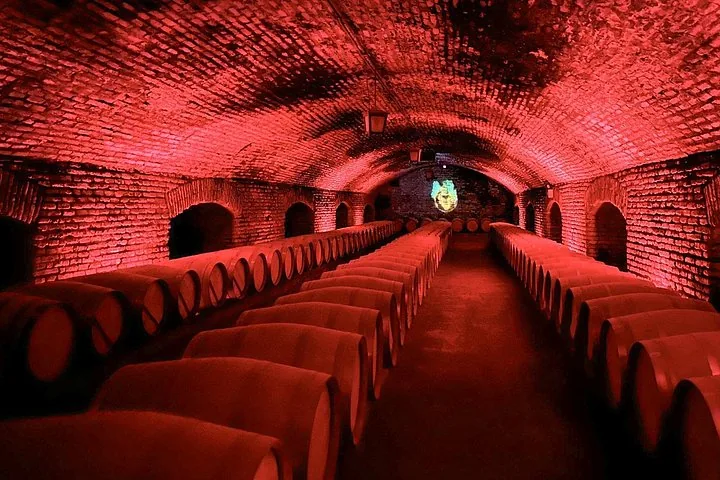
Marqués de Casa Concha Tasting at Concha y Toro from Santiago
- 4.9/5 (1,270+ reviews)
- 5 hours
- Free cancellation
- Operated by Turistik
Includes Round-trip bus transfer — from your chosen meeting point (Plaza de Armas, Av. Vitacura in Las Condes, or Parque Arauco) …
You'll choose your date and complete the booking on Viator. Free cancellation up to 24 hours before departure.
Same ride, also on GetYourGuide
From $135 per person · ★ 4.6 from 90+ GetYourGuide reviews
Each platform sets its own price and collects its own reviews, so compare both before you book on Viator.
Quick answer: is a wine and cheese tasting in Maipo worth it?
Yes, especially if you are new to wine or only plan to visit one winery. A good pairing gives you more context than wine alone, because food changes how you perceive:
- tannin
- acidity
- fruit
- bitterness
- alcohol
- texture
The Wine & Spirit Education Trust (WSET) notes that salty, acidic and fatty foods can make a tannic wine seem softer and fruitier. Cheese works especially well because its fat, salt and protein interact strongly with red wine. For Maipo Cabernet Sauvignon that can be a revelation: a wine that tastes dry and firmly tannic on its own may become much rounder after a bite of mature cheese.
Maipo’s options run from simple cheese boards added to a winery tasting to guided pairings, vineyard picnics and full meals. Concha y Toro offers tastings with cheese boards, Santa Rita sells a gourmet picnic with cheeses, charcuterie, nuts, a sandwich and wine, and Viña Tres Palacios in Maipo Costa serves cheese, charcuterie and nuts with some of its tastings. A “wine and cheese tasting” can mean anything from three cubes of cheese beside four small pours to a guided pairing where each cheese is chosen for a specific wine, so check what you are booking.
Best for
- couples
- first-time wine visitors
- Cabernet Sauvignon lovers
- visitors who prefer relaxed tastings
- people who want food without committing to a full lunch
Less useful if
- the “cheese pairing” is only a tiny snack board
- you are visiting several wineries with substantial tastings
- you already have a winery lunch booked
- your priority is highly technical wine education
The key thing to know: “wine and cheese tasting” means two different things in Maipo. Some wineries serve a shared cheese board beside the wines; others pair individual cheeses with specific bottles. If you want to learn about wine, choose the guided pairing. If you mainly want atmosphere, a vineyard picnic or a cheese-and-charcuterie board may suit you better.
Other Experiences
Other experiences you might enjoy
More Maipo Valley wine tours, each with its own page and booking link.
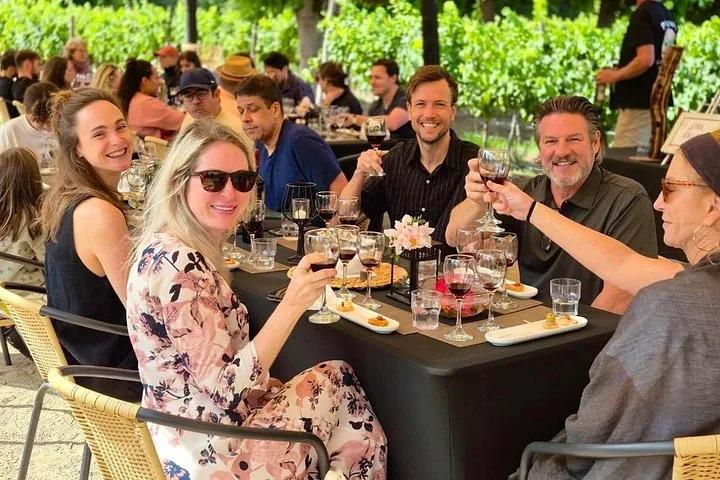
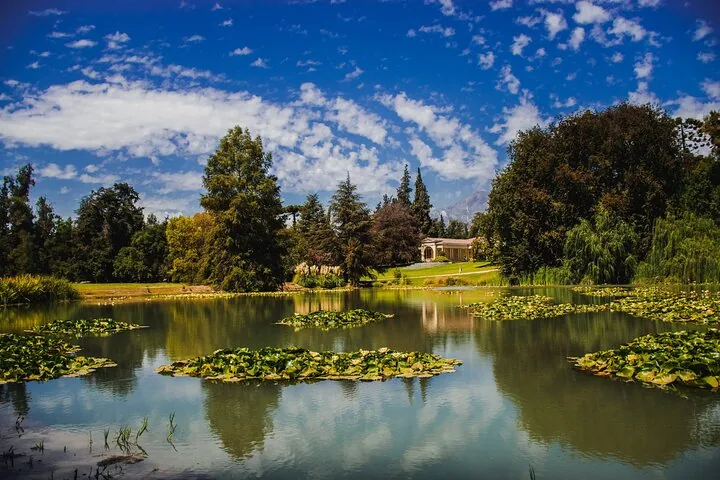
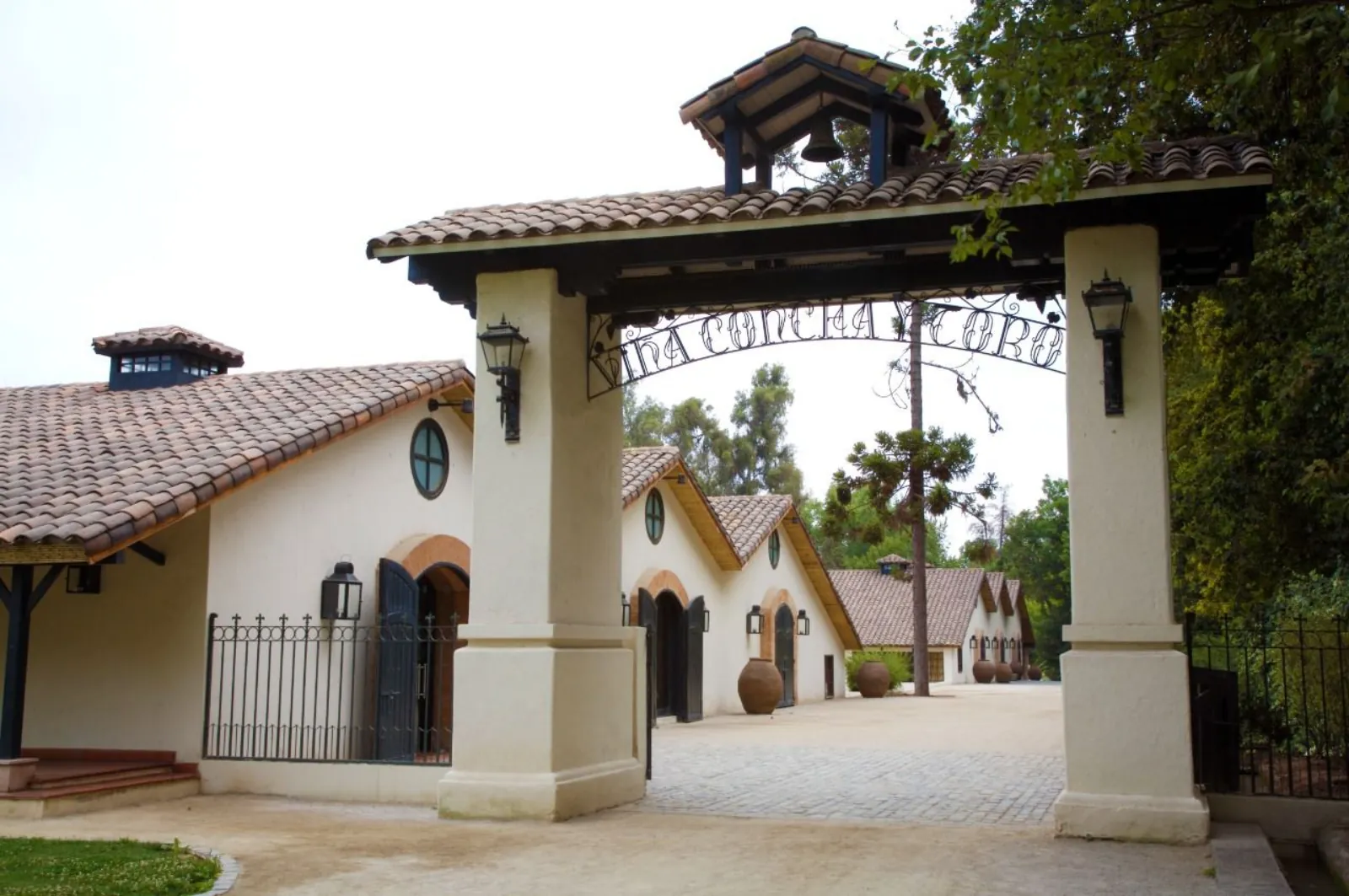
What does a Maipo wine and cheese tasting usually include?
There is no standard format. A typical experience may include:
- 3–7 wine samples
- 2–5 cheeses
- crackers or bread
- nuts
- dried fruit
- charcuterie
- olives
- preserves or chutneys
Premium tastings may match one cheese to each wine, while simpler ones give you a shared board to experiment with. Some Maipo experiences are closer to a cheese-and-charcuterie board than a formal pairing class: listings for Viña Tres Palacios describe a Maipo Costa visit with five wines and a board of cheese, charcuterie, nuts and other extras.
Concha y Toro’s own tourism site lists the Diablo Wine Sunset with four glasses of wine and a cheese board, and the Marqués tasting sold from Santiago pairs six Marqués de Casa Concha wines with a cheese board after four premium wines. Before booking, check whether the food is an accompaniment or a guided pairing; the two are very different visits.
The best part: taste the wine before and after the cheese
This is the simplest way to make the tasting more interesting. For every pairing:
- Taste the wine on its own.
- Notice whether it feels acidic, tannic, fruity or heavy.
- Take a small bite of cheese.
- Wait a moment.
- Taste the same wine again.
You may notice that:
- the tannin feels softer
- the fruit tastes sweeter
- the acidity feels less sharp
- the alcohol is less obvious
- the oak is less dominant
- the finish seems longer or shorter
The wine has not changed; your palate has. WSET explains that salt, acidity and fat in food can alter how we perceive wine, and that fatty, salty cheese can make a tannic wine taste smoother. That is why a pairing can teach you something without feeling like a lesson.
Why cheese works so well with Maipo Cabernet Sauvignon
Maipo Valley is best known for Cabernet Sauvignon, a grape that usually gives wines with noticeable tannin, the drying feeling on your gums and tongue. Firm or mature cheese brings:
- fat
- protein
- salt
- strong savory flavor
All four soften how the tannin feels. Wine Folly also recommends mature, intensely flavored cheeses with bold reds, and names aged cheddar as a good match for Cabernet Sauvignon. Cabernet and cheese is one of the most satisfying combinations to try in Maipo; our guide to Chilean Cabernet Sauvignon explains the grape itself.
The best Maipo wine and cheese pairings
Treat these as guidelines, not rules: a good winery may surprise you on purpose.
Cabernet Sauvignon + mature hard cheese
The classic Maipo pairing. Try Cabernet with:
- mature cheddar
- aged Gouda
- Manchego-style cheese
- Parmesan-style cheese
- hard sheep’s cheese
Cabernet has enough intensity to match a strong cheese, and the salt and fat soften its tannins.
What to notice
Taste the Cabernet first: you may find blackcurrant, cedar, herbs and firm tannin. Eat the cheese and taste again. The wine may now seem rounder, sweeter-fruited and less drying. Of all the pairings here, this one teaches you the most about Maipo Cabernet.
Carménère + smoked or semi-hard cheese
Carménère tends to be softer than Cabernet Sauvignon and often shows:
- plum
- blackberry
- herbs
- black pepper
- roasted pepper
- spice
Good cheese partners include:
- smoked Gouda
- semi-hard cow’s milk cheese
- nutty aged cheese
- medium-aged cheddar
Wine Folly suggests Carménère with smoked Gouda as a classic match: the smoke suits Carménère’s darker, spicy side. Our guide to Chilean red grapes in Maipo has more on Carménère and its story.
Merlot + mild creamy cheese
Merlot is generally softer and fruitier than Cabernet. Try it with:
- Brie
- Camembert
- mild Gouda
- creamy semi-soft cheeses
Avoid overwhelming the wine: a powerful, salty blue cheese can bury a delicate Merlot. Let its plum and cherry flavors sit alongside the creamy texture of the cheese instead.
Syrah + smoked or aged cheese
Maipo Syrah can be:
- dark-fruited
- peppery
- savory
- smoky
Good partners include:
- smoked cheese
- aged cheddar
- mature Gouda
- firm sheep’s cheese
A smoky cheese brings out Syrah’s pepper, spice and savory flavors.
Chardonnay + soft or creamy cheese
Not everything in Maipo has to be red. If your tasting includes Chardonnay, try it with:
- Brie
- Camembert
- creamy cow’s milk cheese
- mild goat cheese
An unoaked or lightly oaked Chardonnay pairs more easily with delicate cheeses; a richer oak-aged Chardonnay can handle more flavor and creaminess.
Sauvignon Blanc + goat cheese
If a Maipo tasting includes Sauvignon Blanc, goat cheese is one of the safest pairings, because the wine’s acidity cuts through the richness of the cheese. Wine Folly cites it as a classic combination for exactly that reason. Expect citrus, tang and freshness, a lighter feel than Cabernet with hard cheese.
Sparkling wine + soft cheese
If your winery makes sparkling wine, this is one of the best pairings. Try:
- Brie
- Camembert
- triple-cream cheese
- mild creamy cheeses
Acidity and bubbles both refresh the palate after rich cheese, which makes sparkling wine a good opener for a longer tasting.
What about blue cheese?
Blue cheese is hard to pair with dry red wine. It is salty, intense and sometimes slightly bitter, and even a big Cabernet with enough weight can make both the wine and the cheese taste harsher. Blue cheese usually works better with:
- sweet wine
- late-harvest wine
- port-style fortified wine
Sweetness balances the salt and intensity much better. If your tasting includes a dessert or late-harvest wine, save the strongest blue cheese for that glass.
A simple pairing cheat sheet
| Wine | Cheese style | Why it works |
|---|---|---|
| Cabernet Sauvignon | Mature hard cheese | Fat and salt soften tannin |
| Carménère | Smoked or semi-hard cheese | Complements spice and dark fruit |
| Merlot | Soft, mild cheese | Matches softer tannins |
| Syrah | Smoked or aged cheese | Handles pepper and intensity |
| Chardonnay | Brie / creamy cheese | Richness meets richness |
| Sauvignon Blanc | Goat cheese | Acidity cuts through fat |
| Sparkling wine | Soft creamy cheese | Bubbles refresh the palate |
| Late-harvest wine | Blue cheese | Sweetness balances salt |
The short version: Sauvignon Blanc with goat cheese, Chardonnay with Brie, Carménère with smoked Gouda, Cabernet Sauvignon with aged hard cheese and late-harvest wine with blue cheese. And always taste the wine, eat the cheese, then taste the wine again.
Should you pair every wine with cheese?
No. One of the easiest mistakes is assuming cheese improves every glass; sometimes it hides the wine. A strong aged cheese can overwhelm:
- a subtle Pinot Noir
- a delicate Sauvignon Blanc
- an aromatic white
- a very old fine wine
Match intensity with intensity. Wine Folly recommends delicate cheeses with lighter wines and strong mature cheeses with bold wines: light wine with light cheese, powerful wine with powerful cheese. That usually beats random combinations.
What kind of cheese will you get in Chile?
It varies a lot by winery and tour. Do not assume a “wine and cheese tasting” means a board of rare Chilean artisan cheeses. Some experiences use familiar international styles; others include locally made cheeses, charcuterie, nuts and preserves. If Chilean cheese matters to you, ask before booking: “Are the cheeses Chilean?” and “Does the guide explain where each cheese comes from?” Those two questions separate a snack board from a food experience rooted in the place.
Cheese board vs guided pairing: what’s the difference?
This matters more than the number of cheeses.
Cheese board
You get several cheeses, crackers, nuts, charcuterie and wine, and you decide what to combine.
- Best for: couples, social visits, picnics and relaxed afternoons.
- Less useful for: learning why each combination works.
Guided pairing
A host or sommelier explains:
the wine
the cheese
why they are paired
what flavors to notice
how the wine changes after food
Best for: first-time wine drinkers, curious travelers and anyone who wants to learn.
If the price gap is small, we would choose the guided pairing.
Cheese board vs winery lunch
These are different visits too.
Choose a wine and cheese tasting if you want…
- a shorter visit
- more emphasis on wine
- a lighter meal
- several winery stops
- a lower cost
Choose a winery lunch if you want…
- two or three hours at one estate
- a proper meal
- several courses
- wine paired with substantial food
- a relaxed full day
If you are visiting three wineries in a day, a big lunch can make the later tastings harder to enjoy, and a cheese board fits a multi-winery day better. If you are visiting one winery only, lunch may feel more worthwhile; our Maipo Valley wine tour with lunch guide compares the winery meals.
Cheese board vs charcuterie board
Many Maipo boards combine both. A typical board may hold:
- Cheese: a hard mature cheese, a creamy cheese, a smoked cheese.
- Charcuterie: salami, cured ham, sausage.
- Extras: walnuts, almonds, dried fruit, olives, crackers, bread.
Charcuterie works particularly well with Cabernet Sauvignon, Carménère and Syrah, because salt and fat tame the tannins. Spicy cured meat can make a high-alcohol wine taste hotter, though, so not every combination will work. Experiment and see what works.
Are wine and cheese tastings full meals?
Usually not, and this is one of the most important things to know before booking. A cheese board may look substantial in photos and still be meant for tasting, not lunch. If a tour says “wine tasting with cheese pairing”, assume it is a snack unless the listing says otherwise. If you need lunch, look for words such as:
- lunch included
- three-course meal
- picnic
- barbecue
- restaurant
- full gastronomic experience
Santa Rita’s picnic, for example, is much more than a cheese tasting: cheese and charcuterie, nuts, a gourmet sandwich, something sweet, mineral water and reserve wine. Listings for Viña Tres Palacios also describe a larger food-led visit with six wines, a cheese and charcuterie board and a Chilean barbecue.
Current examples of wine and cheese experiences in Maipo
Tour offerings change, so check the latest details before booking. Prices below are what each winery listed in November 2026.
Concha y Toro
Good for: a famous-name winery and a well-organized visit.
Concha y Toro’s visitor center in Pirque lists several wine and cheese visits. The Diablo Wine Sunset costs CLP 60,000 and includes four glasses of wine, a cheese board and access to the park, about three and a half hours in all; it is booked direct with the winery and no tour marketplace sells it. The estate is about 45–55 minutes by road from central Santiago.
The Marqués tasting is the one you can book with transport: the Marqués de Casa Concha Tasting at Concha y Toro from Santiago above includes the round-trip bus and the cheese board. The Concha y Toro Marqués de Casa Concha Tasting Tour from Santiago, $135, 4.6/5 from 97 reviews, is a similar visit sold on GetYourGuide. Read whether Concha y Toro is worth visiting for the rest of the estate.
Choose it if you want a polished, predictable visit and this is your first Chilean winery.
Santa Rita
Good for: a picnic-style food experience.
Santa Rita sells a Gourmet Picnic with:
- cheese
- charcuterie
- nuts
- a gourmet sandwich
- a sweet bite
- mineral water
- reserve wine
It costs CLP 25,000 per adult and is booked with the winery, although prices and inclusions can change. Transport is not included; if you want it, the Santa Rita Vineyard Tour with Lunch from Santiago, $207, 4.8/5 from 420+ reviews, swaps the picnic for a seated lunch with transfers. Our Santa Rita guide covers the tours.
Choose it if you would rather sit outdoors with wine and food than do a formal seated tasting.
Viña Tres Palacios
Good for: a small Maipo Costa winery away from the big names.
Listings for its Maipo Costa tour describe:
- a vineyard visit
- a winery tour
- five tastings
- cheese
- charcuterie
- nuts
A larger food-led version adds a sixth wine and a Chilean barbecue. We could not confirm current prices or minimum group sizes with the winery, so ask Tres Palacios directly before you plan around it. It is not sold on GetYourGuide or Viator.
Choose it if you want something away from the busiest winery circuit.
Undurraga
Good for: a picnic near Santiago.
Undurraga sells a picnic for two in its historic park with a small bottle of sparkling wine, a bottle of wine, cheeses and nuts, booked direct through its visitor page. The estate is about 45 minutes from Santiago. For a guided tasting there instead, the Undurraga Vineyard Tour and Tasting with Hotel Transfer costs $60 and is rated 4.8/5 from 95 reviews; our Undurraga guide has the details.
Choose it if you want something casual and romantic more than a guided pairing.
What does a wine and cheese tasting cost?
Prices vary a lot because the phrase covers very different products. In November 2026, booked with the winery:
- Santa Rita’s gourmet picnic costs CLP 25,000 per adult.
- Undurraga’s picnic for two costs CLP 34,000.
- Concha y Toro’s Diablo Wine Sunset, with wine and a cheese board, costs CLP 60,000.
- The Marqués tasting with a cheese board costs $135 with transport from Santiago.
These are not directly comparable. Some include a full winery tour, premium wine, more food or a longer visit; others are mainly picnics. Transport from Santiago is often extra. Our guide to Maipo Valley wine tasting prices compares every format.
What makes a premium pairing worth more?
Do not judge purely by the number of wines. Four carefully chosen wines, each matched with its own cheese, can be more interesting than eight wines with a random board. A premium tasting earns its higher price when it includes:
- reserve or single-vineyard wines
- individual wine and cheese matches
- a sommelier or specialist host
- a small group
- detailed explanation
- access to a historic cellar
- older vintages
- food designed around the wines
If the only upgrade is more cheese, we would not pay much more for it.
How many wines should you taste?
For a proper cheese pairing, four to six wines is plenty; beyond that, palate fatigue sets in. A strong sequence might be:
- Sauvignon Blanc
- Chardonnay
- Carménère
- Cabernet Sauvignon
- A premium red blend
That gives you completely different combinations. For a Cabernet-focused visit, three wines may be enough if they show an entry-level Cabernet, a reserve Cabernet and a premium or single-vineyard Cabernet. The cheese then helps reveal how tannin, oak and concentration differ.
The ideal Maipo wine and cheese flight
If we were designing one for this region, we would pour:
- Sauvignon Blanc + goat cheese: fresh and acidic.
- Chardonnay + creamy soft cheese: rounder and richer.
- Carménère + smoked semi-hard cheese: spicy and savory.
- Maipo Cabernet Sauvignon + aged hard cheese: the signature pairing.
- Late-harvest wine + blue cheese: sweet against salty.
That progression teaches you far more than five similar reds beside one generic board.
Should you eat the cheese before the wine?
Start with the wine. The best sequence is wine, then cheese, then wine again, which gives you a point of comparison; if you eat the cheese first, you never know how the wine tasted without it. For each combination:
- Smell the wine.
- Taste it.
- Take a small piece of cheese.
- Taste the wine again.
- Ask yourself what changed.
There is no wrong answer.
Do you need to know anything about wine?
No. Food pairing can make wine easier to understand. Instead of asking “Can I identify cassis?”, ask “Did the wine get smoother?” or “Did the cheese make the wine taste more acidic?” Those are differences you can feel, and you do not need any specialist vocabulary.
What if you don’t like cheese?
Choose a tasting with:
- charcuterie
- nuts
- empanadas
- chocolate
- olive oil
- lunch
Do not book a pairing just because it sounds premium. Maipo has enough other food experiences that you never need to pay for something you dislike.
Vegetarian wine and cheese tastings
Cheese boards are usually easier for vegetarians than full winery lunches, but check the details. A board may come with:
- salami
- cured ham
- meat pâté
Ask whether these can be swapped for:
- extra cheese
- nuts
- olives
- vegetables
- fruit
Some cheeses are also made with animal rennet, which strict vegetarians may avoid. If that matters to you, contact the winery beforehand.
Vegan visitors
A traditional wine and cheese tasting is not ideal for vegans. Some wineries may substitute:
- nuts
- olives
- bread
- vegan spreads
- fruit
- vegetables
Not all wine is vegan, either: some winemaking uses animal-derived fining agents. If that matters to you, ask the winery whether the wine is vegan; do not assume every grape-based drink is suitable.
Lactose intolerance
Some aged hard cheeses contain very little lactose, but tolerance varies from person to person. Do not rely on a general rule if you have a significant intolerance or allergy: ask exactly which cheeses are served and whether there are alternatives.
Food allergies
Cheese boards often include:
- dairy
- nuts
- gluten
- sesame
- preserves
- cured meats
If you have a serious allergy, tell the winery in advance. Do not rely on removing an item from a shared board: cross-contact may already have happened.
Wine and cheese tastings for couples
This is one of the experiences we would particularly recommend for couples, because it is slower than a standard standing tasting. A picnic or seated cheese board gives you time to:
- share a bottle
- compare favorites
- sit outdoors
- take photos
- enjoy the estate
For a romantic visit, look for a park or vineyard setting, a cheese board and a bottle or generous tasting, not a rushed run of tasting rooms.
Are wine and cheese tastings good for groups?
Yes, but check how the board is served. For larger groups, shared platters get confusing if the tasting is meant to involve precise pairings; if the visit is educational, individual portions work better. For a social group, a big shared board is fine.
Is it suitable for children?
The food may be; the tasting is not. Policies differ between wineries and tours. Some let children join estate visits but not tastings, and some premium tastings have stricter age limits. At Concha y Toro, for example, children can join the tours but under-18s cannot enter the tasting room. Check the specific product; do not assume every Maipo winery has the same policy.
Should you drive after a wine and cheese tasting?
A cheese board does not cancel the alcohol. If you plan to taste properly, arrange:
- a guided tour with transport
- a private driver
- a taxi or ride-hailing car
- a designated driver
This matters even more if you are visiting several wineries. A full-day wine tour from Santiago is often easier because everyone can taste; our guide to getting to Maipo Valley from Santiago compares the options.
How long does a wine and cheese tasting take?
| Format | Typical length |
|---|---|
| Basic pairing | 45–90 minutes |
| Winery tour plus pairing | 1.5–2.5 hours |
| Picnic | 2–3 hours |
| Lunch or food-led visit | 3–4+ hours |
Do not schedule wineries too tightly. A one-hour tasting can easily run longer once you add parking, check-in, shopping, photos, bathroom stops and conversations with the guide.
What should you wear?
There is no need to dress formally. Good choices are:
- comfortable shoes
- layers
- sun protection
- clothes you do not mind wearing outdoors
Skip strong perfume or aftershave: it gets in the way of your ability, and everyone else’s, to smell the wine.
What should you eat before a wine tasting?
Do not arrive hungry. Even with cheese, most pairings are not enough food to absorb several tastings comfortably. Eat breakfast or a light meal beforehand unless lunch is included, and drink water: a full-day Maipo tour can include a surprising amount of wine.
Is a wine and cheese tasting better in the morning or afternoon?
For serious tasting, go in the morning, when your palate is fresher. For atmosphere, go in the late afternoon, when you may get warmer light, a sunset and relaxed outdoor seating. If the visit is mainly romantic or social, the afternoon usually suits it better; if you want to concentrate on the wine, go earlier.
Wine and cheese tasting vs chocolate tasting
Both are common at wineries, and they behave differently.
- Cheese usually works better with dry Cabernet, Carménère, Chardonnay and sparkling wine.
- Chocolate works better when the wine has enough fruit, sweetness, alcohol and richness.
A dry, tannic Cabernet with very sweet chocolate can taste unpleasantly bitter. If your goal is to understand Maipo Cabernet, choose cheese before chocolate.
Wine and cheese tasting vs olive oil tasting
Olive oil is subtler and usually works best as part of a broader food experience.
- Choose cheese if you want to understand tannin, wine texture and pairing.
- Choose olive oil if you are more interested in regional food, savory flavors and farm products.
For most first-time Maipo visitors, cheese is the more rewarding pairing.
Questions to ask before booking
These questions will save you from a disappointing “pairing”:
- How many wines are included?
- How many cheeses?
- Is each cheese paired with a specific wine?
- Is the pairing guided?
- Are the wines standard or reserve?
- Is the cheese local or Chilean?
- Is charcuterie included?
- Is it enough food for lunch?
- Is bread included?
- Can vegetarians be accommodated?
- Can allergies be accommodated?
- Is transport from Santiago included?
- Is the experience indoors or outdoors?
- How long does it last?
The most important one: is this a guided wine and cheese pairing, or a cheese board served during the tasting?
Who should book a wine and cheese experience?
| Book it if… | Why |
|---|---|
| You’re a first-time wine visitor | Food makes the tasting easier to understand |
| You love Cabernet | Maipo Cabernet and mature cheese are a classic match |
| You’re traveling as a couple | It slows the visit down |
| You are visiting one winery | It gives the visit more depth |
| You’re skipping lunch | Choose a substantial picnic over a tiny pairing |
Who should skip it?
You might skip it if:
- you are lactose intolerant
- you dislike cheese
- you already have a winery lunch
- you are doing four wineries in one day
- you care far more about premium wine than food
In that case, spend the money on a reserve tasting, a single-vineyard tasting, an older-vintage tasting or a private tour such as the Cousiño Macul Private Winery Tour with Premium Tasting, $90 and rated 4.9/5 from 79 reviews. Our guide to the best wine tasting experiences in Maipo Valley compares the premium tastings.
Best type of wine and cheese experience by traveler
| Traveler | Best choice |
|---|---|
| First-time wine visitor | Guided pairing |
| Couple | Picnic or sunset tasting |
| Cabernet lover | Premium red + mature cheese pairing |
| Foodie | Full food-led tasting or winery lunch |
| Budget traveler | Standard tasting + shared board |
| Serious wine drinker | Premium wines first, food second |
| Family | Picnic-style winery visit |
| Group of friends | Cheese + charcuterie board |
| One-winery itinerary | Pairing plus lunch |
| Multi-winery day | Light cheese board |
Our ideal wine and cheese day in Maipo
If wine and food matter equally to you, do not try to visit four wineries. We would plan the day like this:
- Morning: visit a historic Maipo estate and taste Chardonnay, Carménère and Cabernet Sauvignon with a guided cheese pairing.
- Lunch: eat a proper meal, not another tasting board.
- Afternoon: visit one smaller producer and focus on premium Cabernet, red blends and single-vineyard wines.
That gives you much more variety than rushing between tasting rooms. The Maipo Valley Wine Tour: 4 Wineries, Pisco Tasting and Optional Lunch, from $109 and rated 4.9/5 from more than 2,900+ reviews, mixes larger and smaller producers with cheese, olive oil and pisco along the way, with lunch on some options.
Frequently asked questions
Does Maipo Valley have wine and cheese tastings?
Yes. Several wineries and tour operators offer tastings, picnics or wine visits that include cheese, among them Concha y Toro, Santa Rita, Undurraga and Viña Tres Palacios.
What cheese goes best with Maipo Cabernet Sauvignon?
Firm, mature cheeses are the safest choice. Aged cheddar, Gouda and similar hard cheeses have enough intensity and fat to work with Cabernet’s tannins.
What cheese goes with Carménère?
Smoked Gouda and medium-aged semi-hard cheeses are good options because they suit Carménère’s dark fruit, spice and herbal character.
Is a cheese tasting enough for lunch?
Usually not. Unless the experience includes a picnic, sandwich, barbecue or full meal, assume the cheese board is an accompaniment, not lunch.
Is wine included with winery picnics?
Often, but check the listing. Santa Rita’s and Undurraga’s picnics both include wine.
How much is a wine and cheese tasting in Maipo?
There is no standard price. In November 2026, Santa Rita’s picnic cost CLP 25,000 per adult, Undurraga’s picnic for two CLP 34,000 and Concha y Toro’s Diablo Wine Sunset with a cheese board CLP 60,000, while the Marqués tasting with a cheese board and transport from Santiago costs from $135.
Do I need to understand wine to enjoy a pairing?
No. Taste the wine before and after the cheese and notice what changes.
Is Maipo good for food and wine experiences?
Yes. Maipo is best known for Cabernet Sauvignon, and several wineries combine tastings with cheese boards, picnics, charcuterie or full meals.
Is Cabernet Sauvignon good with cheese?
Yes, particularly with mature firm cheeses. The fat and salt soften Cabernet’s tannin, and the strong flavors match the intensity of the wine.
What is better: a cheese pairing or a winery lunch?
Choose the pairing if wine is your priority or you plan to visit several wineries. Choose lunch if you want to spend several relaxed hours at one estate.
Is a Maipo wine and cheese tasting worth booking?
For most first-time visitors, yes. Cheese does not make a winery tour luxurious, but it gives you an immediate way into Maipo wine. Taste a Cabernet Sauvignon on its own and it may seem dry, firm and tannic; take a bite of mature cheese, taste it again, and it may feel softer, richer and fruitier. That small change explains more about food and wine than ten minutes of technical vocabulary.
If you are choosing between a standard tasting and a pairing and the price gap is reasonable, choose the pairing. Check what “wine and cheese” means on the listing before you book: the best visit is the one where the wine and food were chosen to make each other more interesting, not the one with the biggest board. Check your dates on the booking widget above, because winery schedules change by season.
Spend the Day in the Maipo Valley
Free cancellation up to 24 hours before. Marqués de Casa Concha Tasting at Concha y Toro from Santiago from $135 per person.
Check Availability & Book