Santa Rita winery: tours, tastings and how to visit from Santiago
Santa Rita winery tours compared, from the CLP 31,000 Classic to the Carménère and Winemaker visits, plus Museo Andino hours, lunch at Doña Paula and how to get there from Santiago.
Santa Rita is one of the easiest Maipo Valley wineries to recommend on a first visit, because there is much more here than a tasting room. The estate in Alto Jahuel, near Buin, has working vineyards, historic cellars, a large park, a neo-Gothic chapel, a restaurant, the Museo Andino and one of Chile’s most important Cabernet Sauvignon vineyards. If you want the transport, the tour and lunch in one booking, the Santa Rita Vineyard Tour with Lunch from Santiago costs from $207 and has 4.8 from 420+ Viator reviews.
The winery says it is about 45 minutes from Santiago, and its own driving directions give about an hour from the city center, depending on traffic. If you have time for only one large, historic winery in the Maipo Valley, put Santa Rita near the top of the list and give it half a day.
Check Availability
Santa Rita winery at a glance
| Location | Alto Jahuel, Buin, Maipo Valley |
| From Santiago | About 45 to 60 minutes by car |
| Best for | History, gardens, Cabernet Sauvignon, first-time wine visitors, couples, lunch |
| Main tours | Classic, Selection, Premium, Carménère, Winemaker Experience |
| Tour prices | From CLP 31,000 per adult |
| Languages | English, Spanish and Portuguese |
| Tourist center hours | Daily, 10:00 to 18:00 |
| Restaurant | Doña Paula, daily 12:00 to 16:00 |
| Museum | Museo Andino, free |
| Museum hours | Tuesday to Sunday from 10:30; closed Mondays |
| Allow | 2 hours minimum; 4 to 6 hours with lunch and the museum |
| Advance booking | Recommended, especially on weekends |
Prices and opening hours come from Santa Rita’s official visitor pages in October 2026 and can change, so check again before you travel.
Other Experiences
Other experiences you might enjoy
More Maipo Valley wine tours, each with its own page and booking link.

Is Santa Rita winery worth visiting?
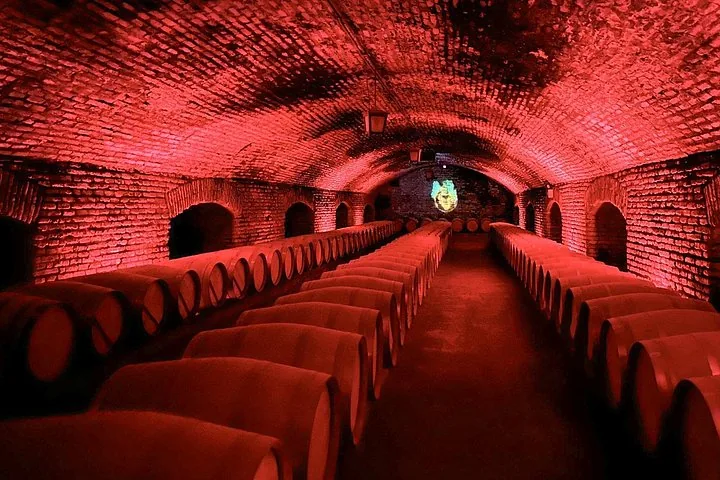
Yes, particularly if you want more than a technical winery tour. The wine sits inside a historic estate, so you are not only walking past stainless-steel tanks before three pours. Depending on the tour you choose, a visit can include:
- the old wine cellars
- the story of Santa Rita and Chilean independence
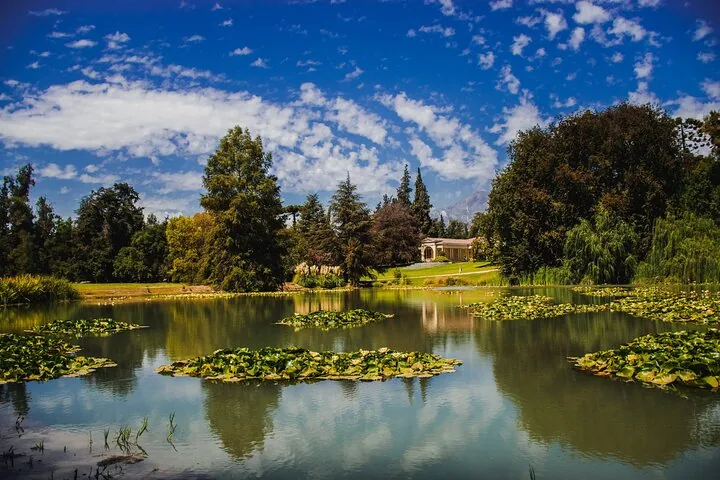
- Centenario Park
- the estate’s historic architecture
- wine production
- tastings
- cheese pairings
- the neo-Gothic chapel
- the Museo Andino
- lunch at Doña Paula
- on specialist tours, blending your own wine or a focus on Carménère
The tourism program is unusually broad for a winery this close to Santiago. Recent visitor reviews keep coming back to the grounds, the history, the guides, the tastings and the Doña Paula restaurant, more than to the wine alone.
Best for
Santa Rita suits you if you:
- are visiting a Chilean winery for the first time
- want a polished, easy day trip from Santiago
- are interested in Chilean history as well as wine
- want lunch at the winery
- like landscaped estates and historic architecture
- are traveling with someone less interested in wine than you are
- want to try Maipo Cabernet Sauvignon where it grows
You might prefer somewhere else if…
Look at a smaller boutique winery if you want a long conversation with a winemaker, tiny-production wines or a personal tasting with very few visitors. Santa Rita is a large, internationally distributed producer, and its visitor operation is professional and runs at scale. That suits some visitors and not others.
Why Santa Rita is one of Maipo Valley’s most interesting wineries
Santa Rita was founded in 1880 by Domingo Fernández Concha, who brought French grape varieties, French winemaking expertise and equipment to the Maipo Valley. Today the Alto Jahuel estate gathers several things you would usually have to visit separate places to find.
1. A historic estate
The historic cellars, manor house, chapel and estate buildings form a protected heritage complex, declared a Historic Monument in 1972. The old cellars date from the winery’s 19th-century beginnings, and Hotel Casa Real occupies the founder’s former summer residence. The visit feels noticeably different from touring a purely industrial winery.
2. The story behind Santa Rita 120
If you have seen bottles labeled Santa Rita 120, the number comes from this estate. During Chile’s fight for independence, Paula Jaraquemada sheltered 120 patriot soldiers here after the Battle of Cancha Rayada. Santa Rita’s Doña Paula building is linked to that episode, and the 120 wine range commemorates it. That history is one reason the tour works even for visitors who do not want an hour on fermentation.
3. One of the strongest Cabernet Sauvignon connections in Maipo
Maipo Valley is Chile’s classic Cabernet Sauvignon country, and Santa Rita has a serious claim within it. Its flagship Casa Real Reserva Especial comes from historic vineyards in Alto Jahuel; the first vintage was 1989, made from old Cabernet Sauvignon vines in the Carneros Viejo and Población sectors.
For anyone trying to understand why Maipo is linked with Cabernet Sauvignon, Santa Rita is especially relevant: the visit connects you directly with one of the region’s best-known wines. Our Chilean Cabernet Sauvignon guide explains the grape’s link to the valley.
4. The gardens are part of the visit
Do not schedule Santa Rita as tightly as a tasting-room appointment. The estate has a large centenary park, historic buildings and a chapel, and some tours set aside time for the gardens. Santa Rita describes the park as one of the largest and best preserved of its kind in central Chile. It is one of the strongest reasons to choose Santa Rita over a quicker tasting near the city, and in spring and early summer the grounds are an attraction in their own right.
Santa Rita winery tours compared
These are the visits Santa Rita lists on its official site, all booked directly with the winery. None of them is sold as a standalone ticket on GetYourGuide or Viator; tours from Santiago with transport are covered further down.
| Tour | Price per person | Duration | What it adds |
|---|---|---|---|
| Classic | CLP 31,000 | 1 hour | Historical tour, winemaking, tasting, gift glass |
| Selection | CLP 39,000 | 1 hour 10 minutes | Adds a cheese pairing |
| Premium | CLP 55,000 | 1 hour 30 minutes | Adds the Centenario Park walk and a gift board |
| Carménère | CLP 65,000 | 1 hour 30 minutes | Adds a horse-drawn carriage ride |
| Winemaker Experience | CLP 55,000 | 1 hour 30 minutes | Blend and bottle your own wine |
| Horse-drawn carriage ride | CLP 35,000 | 50 minutes | Park, Roman Baths and chapel, no tasting |
| Pedal Bar | CLP 40,000 | 60 minutes | Pedal-powered ride with a tasting |
| Picnic | CLP 25,000 per adult | Not timed | Picnic basket with reserve wine |
Classic Tour
Price: CLP 31,000 per person · Duration: 1 hour
Includes:
- a historical guided tour
- an introduction to winemaking
- a wine tasting
- a souvenir wine glass
Best for: seeing Santa Rita without spending half a day on the tour itself. It is also the sensible option if you plan to add lunch and the museum afterward.
Our take: this is the best value for casual visitors. You get the core story of the winery without paying extra for food pairings or a longer park walk.
Selection Tour
Price: CLP 39,000 per person · Duration: 1 hour 10 minutes
Includes:
- a historical guided visit
- an explanation of winemaking
- a wine tasting
- a cheese pairing
- a souvenir glass
Best for: a slightly fuller tasting without paying for the most expensive standard tour.
Our take: the CLP 8,000 step up from Classic buys the cheese pairing, which makes Selection the sweet spot for many first-time visitors.
Premium Tour
Price: CLP 55,000 per person · Duration: 1 hour 30 minutes
Includes:
- a historical guided tour
- the winemaking areas
- a walk through Centenario Park
- a wine tasting paired with cheeses
- a gift board
- a souvenir glass
Best for: visitors who care about the estate as much as the wine. Choose it for a couple’s day out or when Santa Rita is the main event, not a stop squeezed between several wineries. Recent visitors single out the gardens, the historic buildings and the four-wine tasting on this longer tour.
Our take: this is the best overall first visit, if the extra CLP 16,000 over Selection fits your budget.
Carménère Tour
Price: CLP 65,000 per person · Duration: 1 hour 30 minutes
Santa Rita’s current list of inclusions:
- a horse-drawn carriage ride
- a historical guided visit
- the winemaking areas
- a wine tasting paired with cheeses
- a gift board
This is the most interesting specialist option for wine enthusiasts, because it focuses on Carménère, the grape now seen as emblematic of Chile. Earlier Santa Rita material describes the tour visiting the spot that commemorates the grape’s rediscovery in Chile before the historic cellars and a Carménère tasting.
Best for:
- repeat winery visitors
- Carménère fans
- travelers exploring Chilean grape varieties
Our take: book it because you want to understand Carménère, not because it is the most expensive tasting on the list.
Winemaker Experience
Price: CLP 55,000 per person · Duration: 1 hour 30 minutes
Instead of only tasting finished wines, you:
- create your own blend
- bottle it
- take the bottle away in a presentation box
Best for:
- couples
- small groups
- people who have already done standard winery tours
- anyone who prefers something interactive
Our take: probably Santa Rita’s most memorable activity if you have toured other wineries and do not need another basic explanation of fermentation and barrel aging. Our guide to the best Maipo wine tasting experiences compares it with the other blending sessions in the valley.
Horse-drawn carriage ride
Price: CLP 35,000 per person · Duration: 50 minutes
The ride passes through:
- Centenario Park
- the Roman Baths
- the chapel
It is about the estate and the scenery, not wine education. Treat it as an add-on, or as an alternative for someone more interested in the grounds than a detailed tasting.
Pedal Bar
Price: CLP 40,000 per person · Duration: about 60 minutes
A pedal-powered group ride through the historic parts of the property, with a wine tasting included. It is much more social than the conventional tours.
Best for: groups of friends out for fun more than wine study.
Picnic at Santa Rita
Price: CLP 25,000 per adult · Children up to 11: CLP 10,000
The picnic includes:
- cheeses
- cold cuts
- nuts
- gourmet sandwiches
- something sweet
- mineral water
- reserve wine
Santa Rita takes picnic bookings only by phone or email, and a basket takes up to ten adults. Entry to the Museo Andino is free alongside it.
Best for: a relaxed afternoon in good weather, particularly if you do not want a formal restaurant lunch.
Which Santa Rita tour should you book?
| If you want… | Choose |
|---|---|
| The cheapest proper tour | Classic |
| The best balance of price and tasting | Selection |
| The best overall estate visit | Premium |
| A serious Chilean wine angle | Carménère |
| Something interactive | Winemaker Experience |
| Gardens more than wine | Carriage ride |
| A social group activity | Pedal Bar |
Our pick for a first visit
Premium if the budget allows; Selection if it doesn’t. The grounds are one of Santa Rita’s strongest attractions, so the longer tour makes sense here in a way it does not at every winery. The mistake is to treat Santa Rita as only a place to taste more expensive wines.
Santa Rita tours from Santiago with transport
If you would like the transport handled, these bookable tours include Santa Rita:
- The Santa Rita tour with lunch from Santiago is a group transfer day of about nine hours with a guided tour of the park, vineyards and cellars, a three-wine tasting, a three-course lunch, the Andean Museum and an optional bike ride. It is from $207, rated 4.8 from 420+ Viator reviews.
- The Private Maipo Valley Tour: Aquitania, Santa Rita and Chilean Lunch pairs a boutique tasting at Aquitania with the Santa Rita Premium Tour and the museum, from $290 per person. It has 5.0 from 15 Viator reviews, a small sample.
- The Private Maipo Valley Tour: Concha y Toro, Santa Rita and Undurraga covers three estates in about ten hours, with lunch at Doña Paula, from $636 per person and 5.0 from 32 Viator reviews.
Choose the lunch tour if you want Santa Rita alone at a set price. Choose a private day if you want a second winery or your own pace. Our private wine tours page compares the private options in more detail.
What wines should you look for at Santa Rita?
The wines poured vary by tour and availability, so do not choose a tour for one specific bottle unless the winery confirms it. Several Santa Rita labels are good to know before you arrive.
Casa Real
Santa Rita’s flagship Cabernet Sauvignon and the bottle most closely tied to Alto Jahuel and premium Maipo Cabernet. Casa Real was first made in 1989 from old, ungrafted Cabernet Sauvignon vines on the estate. If you get the chance to taste it, in a special tasting or from the wine-shop dispenser, it is the one to try.
Medalla Real
One of Santa Rita’s best-known premium ranges, with wines that help explain Chilean Cabernet Sauvignon. Santa Rita’s fine-wine reputation got an early boost when Medalla Real Cabernet Sauvignon 1984 won an important tasting competition in Paris in 1987.
120
The accessible range many international visitors know before arriving in Chile. The name refers to the 120 patriot soldiers sheltered by Paula Jaraquemada. You do not need to travel to the winery to taste 120, since it is widely sold abroad, but the story makes the label more interesting.
Carménère
Santa Rita makes Carménère at several levels and runs a dedicated tour for it. If your Chile trip already includes plenty of Cabernet Sauvignon, this is a good chance to compare it with the grape most linked with modern Chile.
Museo Andino: don’t skip it
The Museo Andino is one of Santa Rita’s most underrated attractions. Its collection holds about 3,000 archaeological and ethnographic objects made by the pre-Columbian peoples of the region, plus works from the mixed cultures of Chile and Latin America. It is a large, modern museum, not a token room of old corkscrews and dusty bottles, and for travelers who enjoy history or archaeology it can be the most memorable part of the visit.
Practical information
- Admission: free
- Days: Tuesday to Sunday
- Hours: from 10:30; Santa Rita’s museum page gives 6 pm as closing time and its picnic page 5 pm, so plan to arrive by early afternoon
- Reservation: not needed
Closed on Mondays
The winery’s tourist circuit opens every day, but the Museo Andino is closed on Mondays. That catches some travelers out: one recent visitor booked a Monday tour and found the museum shut. If the museum matters to you, go Tuesday to Sunday. Our guide to Maipo Valley wineries open on Sundays and Mondays compares the other estates.
Lunch at Doña Paula
If you can spare the time, Santa Rita works much better as a half-day outing with lunch than as a rushed tasting. The Doña Paula restaurant occupies a historic estate building linked to Paula Jaraquemada. It opens daily from 12:00 to 16:00, and the winery recommends booking a table, especially on weekends. For something more casual, Café La Panadería opens daily from 10:00 to 18:00. Recent visitors speak well of the food, the service and the terrace.
Is lunch worth adding?
Yes. At some wineries leaving straight after the tasting makes sense, but Santa Rita is not one of them. A good day runs museum, lunch, winery tour, gardens, or tour, lunch, museum, wine shop. Santa Rita publishes suggested programs that combine exactly these elements.
A good Santa Rita half-day itinerary
Option 1: for first-time visitors
| Time | Plan |
|---|---|
| 11:00 | Museo Andino (allow about an hour) |
| 12:30 | Lunch at Doña Paula |
| 14:30 | Classic, Selection or Premium Tour |
| 16:00 | Wine shop or a walk in the park |
This is close to the first program Santa Rita suggests itself.
Option 2: a more wine-focused itinerary
| Time | Plan |
|---|---|
| 09:45 | Carménère or Premium Tour |
| 11:30 | Museo Andino |
| 13:00 | Lunch |
| 15:00 | Explore the grounds and the wine shop |
This one makes more sense when Santa Rita is your main winery for the day.
How long should you spend at Santa Rita?
- Minimum: about 1.5 to 2 hours. Enough for a tour plus check-in and a short look around.
- Better: 3 to 4 hours. A tour plus the museum or lunch.
- Ideal for most visitors: 4 to 6 hours. A tour, the museum, lunch, and the gardens or shop.
If your itinerary gives Santa Rita 90 minutes door to door before rushing to another winery, you miss most of what sets it apart.
How to get to Santa Rita winery from Santiago
The estate is at Camino Padre Hurtado Nº 695, Buin, with GPS coordinates -33.724054, -70.676594. Our Maipo Valley wine tours from Santiago guide compares transport across the valley.
By organized wine tour
Best for: anyone who wants to drink without thinking about transport. A tour from Santiago usually covers:
- hotel pickup or a central meeting point
- the drive out
- the winery reservation
- the return to Santiago
Some full-day tours also include lunch or another Maipo winery (see the tours above). The downside is less flexibility: you may get less time in the museum or gardens than on your own.
By car
Santa Rita estimates about one hour from central Santiago, via Autopista 5 Sur or Américo Vespucio Sur and Route 70, depending on traffic.
Best for: travelers combining Santa Rita with other Maipo wineries. If you are tasting, someone in your group has to stay sober to drive.
By taxi or ride-hailing app
This is often the simplest independent option. Recent visitors report using ride-hailing apps between Santiago and Santa Rita without trouble, although availability and fares vary. Check the return fare before you leave Santiago, and do not book onward plans too tightly after your visit.
By colectivo from Los Héroes
Santa Rita publishes a shared-taxi option from central Santiago:
- Go to Los Héroes Metro station (Line 1).
- Exit toward the corner of Avenida Bernardo O’Higgins (Alameda) and Almirante Barroso.
- Take colectivo Nº 5010 toward Buin.
- Get off at Viña Santa Rita and walk to the tourism house.
The winery quotes about 40 minutes from Los Héroes at a fixed CLP 20,000 for one to four passengers, running Tuesday to Saturday from 08:00 to 18:00. A colectivo is a shared taxi for up to four passengers on a fixed route. It suits budget travelers, especially when several people split the fare. If you do not know Santiago’s transport, a booked transfer or a ride-hailing car is simpler. Our Maipo Valley transport guide sets the colectivo beside the other ways out of Santiago.
Should you reserve Santa Rita in advance?
Yes. Santa Rita says a reservation is not strictly required but recommends booking ahead, especially on weekends when visitor numbers rise. Book anyway: an hour’s drive from Santiago is a long way to go to find the English departure you wanted already full. Tours run in English, Spanish and Portuguese, with several start times every day.
What time should you arrive?
Santa Rita’s booking terms ask you to arrive at least 15 minutes before the tour to register at the tourism house, and its FAQ suggests 20 minutes. Leave a bigger buffer if you are driving from Santiago in weekday traffic.
Can children visit Santa Rita?
Yes. Children can join tours at reduced rates that depend on the tour, and no one under 18 is served alcohol. With gardens, a museum and a restaurant, Santa Rita is one of the easier wineries to pick when part of your group is not drinking. A wine tour is still a wine tour, though: for younger children, the picnic or a shorter visit may suit better than a 90-minute premium tasting.
When is the best time to visit Santa Rita?
There is no bad season, but the visit changes through the year.
September to November: spring
Best for: gardens and mild weather. The estate is at its prettiest as the plants come back and temperatures rise, which makes this the nicest period for wine, architecture and walking outdoors.
December to February: summer
Best for: sunny vineyard scenery. Expect hot, dry weather, and book a morning tour if you dislike walking outside in the afternoon heat.
March to April: harvest
Best for: the atmosphere around vintage. Harvest timing varies by grape and year, but late summer and early autumn are the most interesting months to see wine country at work, and the vines start changing color as autumn goes on.
May to August: winter
Best for: a cellar-and-history visit. The vines are bare and rain is more likely, but the historic cellars, the restaurant and the museum make Santa Rita a better winter choice than wineries where the main draw is sitting outside above the vines.
Santa Rita vs Concha y Toro
These are the two names most first-time visitors compare.
Choose Santa Rita if you want:
- historic gardens
- an estate-like atmosphere
- the Museo Andino
- a good lunch on site
- deeper heritage content
- a longer half-day visit
Choose Concha y Toro if you want:
- one of Chile’s most recognizable wine brands
- the Casillero del Diablo story
- a very polished mainstream visit
- easy inclusion in popular Santiago tours
For the more interesting overall day out, pick Santa Rita. If the Concha y Toro name or Casillero del Diablo is what excites you, Concha y Toro is still the obvious choice; see whether Concha y Toro is worth visiting. With a full day you can visit both, although one large historic winery plus one smaller producer gives more contrast.
Santa Rita vs Undurraga
Choose Santa Rita for:
- a grand historic estate
- the restaurant
- the gardens
- the museum
- a premium Cabernet connection
Choose Undurraga for:
- a more compact, conventional winery visit
- an easy tasting-focused outing
- a particular interest in Undurraga wines
With only half a day, Santa Rita gives you more to do. Our Undurraga winery tours page compares the tours there, and our Undurraga winery guide covers the visit itself.
Santa Rita vs Cousiño Macul
Choose Santa Rita if you want something close to a country-estate visit. Choose Cousiño Macul if your priority is:
- staying closer to Santiago
- traditional Maipo wine history
- combining a winery with other city plans
- spending less time in transit
Santa Rita feels like an excursion from Santiago; Cousiño Macul fits more easily into a city day. See our Cousiño Macul winery tours page.
Is Santa Rita good if you don’t know much about wine?
Very. It may suit beginners better than dedicated wine buffs. There is enough beyond the wine, from the history and gardens to the museum, the architecture and the food, that you do not need to know about appellations, tannins or barrel toast to enjoy the visit. The standard tours explain winemaking without assuming technical knowledge.
Is Santa Rita good for serious wine drinkers?
Yes, if you choose carefully. A serious wine drinker should look at:
- the Carménère Tour
- the Premium Tour
- the Winemaker Experience
- extra tastings at the wine shop
instead of booking the shortest Classic tour by default. If the selection matters to you, ask which wines are poured before you book. Santa Rita makes wines at many price levels and from several Chilean regions, and not everything with the brand’s name comes from the Alto Jahuel vineyard you are standing beside.
The wine shop
The Santa Rita wine shop opens daily from 10:00 to 18:00, in the estate’s former maternity building. It sells wines from Santa Rita, Carmen, Sur Andino and Doña Paula, along with:
- gourmet products
- wine accessories
- handicrafts made in the Alto Jahuel community
A wine dispenser lets you taste more premium wines by the glass, which helps if your tour did not pour the label you most wanted to try.
What to buy at Santa Rita
If you can carry wine home safely, look beyond the bottles sold in supermarkets abroad. Ask about:
- Casa Real: the obvious splurge if your budget allows.
- Floresta: a more terroir-driven premium range, good for seeing what Santa Rita does beyond its mass-market wines.
- Medalla Real: a middle ground between everyday labels and icon wines.
- Limited or winery-only releases: ask the staff what is hard to find outside Chile.
The best bottle to buy at a winery is usually one you cannot pick up at home for the same price.
Recent recognition
In November 2025, Forbes published The World’s 50 Best Wineries 2025, a list compiled by Virgin Wines, and placed Santa Rita first, judged on heritage, wine quality, tourism, innovation and sustainability. Rankings depend on their method, so the award is no reason to visit on its own. It does match what you see on the ground: Santa Rita has turned its historic Alto Jahuel property into a full wine-tourism destination, well beyond a visitor center attached to an old wine company.
Practical tips before you go
- Book your preferred language. Do not assume the next departure will be in English.
- Avoid Mondays if the museum matters. The winery is open, but the Museo Andino is closed on Mondays.
- Reserve lunch. Doña Paula is part of the appeal, and a walk-in table on a busy weekend is a gamble.
- Wear comfortable shoes. This is an estate visit, not only a seated tasting.
- Allow extra travel time. The 45-minute drive from Santiago can stretch in traffic.
- Don’t overschedule wineries. Two good winery visits usually beat three rushed ones.
- Ask what is being poured, especially if you are paying for a more expensive tour for the wine.
- Leave time for the wine shop, particularly if you want to taste something outside the standard flight.
Who should book Santa Rita?
Book it if you want one of the most complete wine-tourism visits near Santiago. The mix of wine, history, gardens, architecture, lunch and museum gives Santa Rita unusually broad appeal.
Skip it if you only want tiny-production natural wines, direct access to a winemaker and an intimate tasting around a kitchen table. A boutique Maipo producer suits that better; our guide to the best wineries in Maipo Valley lists them.
Our verdict: the best all-round historic winery day trip from Santiago
Santa Rita works because the wine is only part of the reason to come. Maipo has more intimate tastings and wineries better suited to collectors, but few estates this close to Santiago combine so much in one place. Come for Maipo Cabernet and Chilean wine history, and stay for the park, the museum and lunch. For a first visit, choose the Selection Tour if value matters or the Premium Tour if Santa Rita is the main event of your day, and unless you are short on time, give it half a day.
Frequently asked questions
How far is Santa Rita winery from Santiago?
Santa Rita is in Alto Jahuel near Buin, south of Santiago. The winery describes itself as about 45 minutes from Santiago, and its driving directions estimate about one hour from the city center. Traffic can add a lot to the journey.
How much does a Santa Rita winery tour cost?
In October 2026, tours booked direct start at CLP 31,000 for the Classic Tour, with Selection at CLP 39,000 and Premium at CLP 55,000. The Winemaker Experience costs CLP 55,000 and the Carménère Tour CLP 65,000.
What is the best Santa Rita tour?
For most first-time visitors, the Selection Tour gives the best balance of price and experience. Choose Premium if you particularly want the park walk and a fuller visit of the estate.
Do you need to book Santa Rita in advance?
It is not compulsory, but the winery recommends booking ahead, especially on weekends.
Are Santa Rita tours available in English?
Yes. Santa Rita runs tours in English, Spanish and Portuguese, with several start times every day.
Can you visit Santa Rita without a tour?
Yes, in part. The museum, the restaurant, the café and the wine shop can be visited separately, but book a winery tour if you want to see the cellars and the historic tour circuit.
Is the Museo Andino free?
Yes. Admission is free and you do not need a reservation.
Is the Museo Andino open on Monday?
No. It opens Tuesday to Sunday from 10:30; check the closing time for your date, because Santa Rita’s pages give both 5 pm and 6 pm.
Can you eat at Santa Rita winery?
Yes. The Doña Paula restaurant on the estate opens daily from 12:00 to 16:00, and Café La Panadería serves lighter food from 10:00 to 18:00.
Can children visit Santa Rita?
Yes. Children can join tours at reduced rates that depend on the tour, but alcohol is served only to adults.
What wine is Santa Rita famous for?
Many international visitors know its 120 range, but serious wine drinkers should look out for Casa Real Cabernet Sauvignon, Santa Rita’s flagship Maipo wine.
Why is Santa Rita wine called 120?
The name commemorates the 120 Chilean patriot soldiers sheltered by Paula Jaraquemada during the independence period.
Is Santa Rita better than Concha y Toro?
Santa Rita suits travelers who value history, gardens, the museum and lunch. Concha y Toro has stronger global brand recognition and the Casillero del Diablo story. They suit different visitors more than one beats the other.
Santa Rita is best taken slowly: pick Selection or Premium, book a table at Doña Paula, and go Tuesday to Sunday if you want the Museo Andino. Check tour times and prices with the winery before you set off, because schedules and rates change through the year. To build a full day around it, see our Maipo Valley wine tours from Santiago guide.
Spend the Day in the Maipo Valley
Free cancellation up to 24 hours before. Santa Rita Vineyard Tour with Lunch from Santiago from $207 per person.
Check Availability & Book