Red wine in Chile: the grapes to try in Maipo Valley
The Chilean red grapes to taste in Maipo Valley, from Cabernet Sauvignon and Carménère to Merlot, Syrah and Cabernet Franc, with a tasting order, food pairings and tours.
If you want to understand Chilean red wine in a single day, go to the Maipo Valley, just outside Santiago. Cabernet Sauvignon is the grape the valley is known for: structured, dark-fruited and often polished. A good tasting here can also introduce you to Carménère, Merlot, Syrah, Cabernet Franc and Bordeaux-style blends. Maipo has about 5,517 hectares of Cabernet Sauvignon, far more than any other grape in the valley, followed by Merlot, Syrah and Carménère. Wines of Chile calls the valley a birthplace of renowned Chilean reds, shaped by hot, dry summers, cooler nights and vineyards that run from the Andean foothills toward the Coastal Range.
On a first visit you do not need to taste every grape grown in Chile. You need the handful of varieties that explain why Maipo matters, and the easiest way to taste them side by side is a day that visits several wineries. The Maipo Valley Wine Tour: 4 Wineries, Pisco Tasting and Optional Lunch below takes you to four producers in one day, from $109 and rated 4.9/5 from more than 2,900+ reviews; prices and ratings were checked in November 2026.
Check Availability

Maipo Valley Wine Tour: 4 Wineries, Pisco Tasting and Optional Lunch
- 4.9/5 (2,930+ reviews)
- 10 hours
- Free cancellation
- Operated by Stamp's Tour
Includes Hotel or Airbnb pickup and drop-off — collection from 7:30 am in set areas of Santiago and return around 6:00 to 6:30 …
You'll choose your date and complete the booking on Viator. Free cancellation up to 24 hours before departure.
Same ride, also on GetYourGuide
From $149 per person · ★ 4.8 from 650+ GetYourGuide reviews
Each platform sets its own price and collects its own reviews, so compare both before you book on Viator.
Quick answer: what red wine is Maipo Valley famous for?
Maipo Valley is most famous for Cabernet Sauvignon. It is the valley’s most widely planted variety and the grape most closely tied to its international reputation. Warm days help the grapes ripen, while cooler nights, especially closer to the Andes, keep freshness and aromatic definition. Wines of Chile names Cabernet Sauvignon as Maipo’s principal variety and describes Maipo examples as complex and structured.
That does not mean every Maipo Cabernet tastes heavy. Depending on the vineyard, altitude, harvest date and winemaking, you can taste anything from juicy, approachable wines to deeply structured bottles made to age. Typical flavors include blackcurrant, blackberry, plum, red berries, cedar, tobacco, herbs, cocoa, graphite and spice, and higher-end examples often turn savory, earthy and cedary as they mature.
Here are the reds to look for, in one line each:
- Cabernet Sauvignon: the Maipo red to try first
- Carménère: the distinctly Chilean choice
- Merlot: softer, rounder and easier to drink
- Syrah: darker, spicier and more variable from one vineyard to the next
- Cabernet Franc: look for it in blends and small-production bottlings
- Red blends: often the best way to see how Maipo’s grapes work together
If you only order one glass, choose a Maipo Cabernet Sauvignon. If you have time for a tasting flight, compare Cabernet Sauvignon with Carménère and either Syrah or Merlot.
If you only remember one thing: Maipo Valley is Cabernet country. Cabernet Sauvignon is by far the valley’s leading grape, and some of Chile’s most famous examples come from Andean-influenced sites such as Puente Alto and Alto Jahuel. Comparing Cabernet with Carménère in the same tasting is one of the easiest ways to understand what makes Chilean red wine distinctive.
Other Experiences
Other experiences you might enjoy
More Maipo Valley wine tours, each with its own page and booking link.
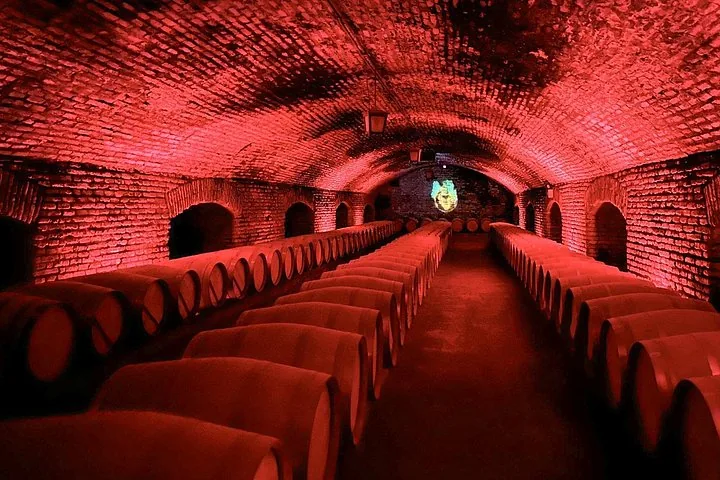
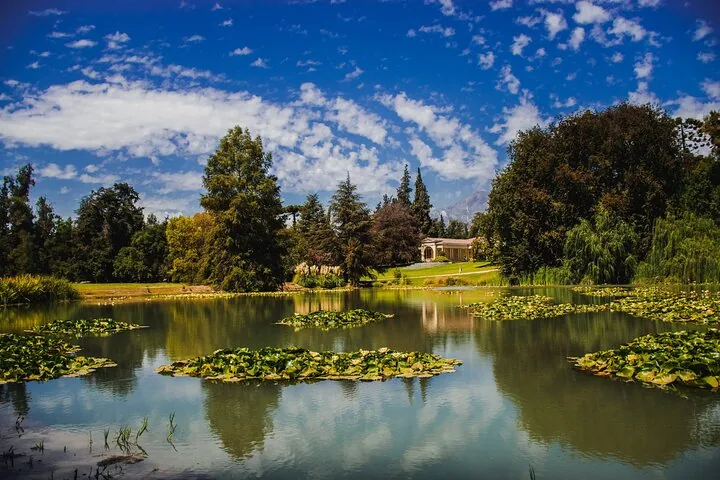
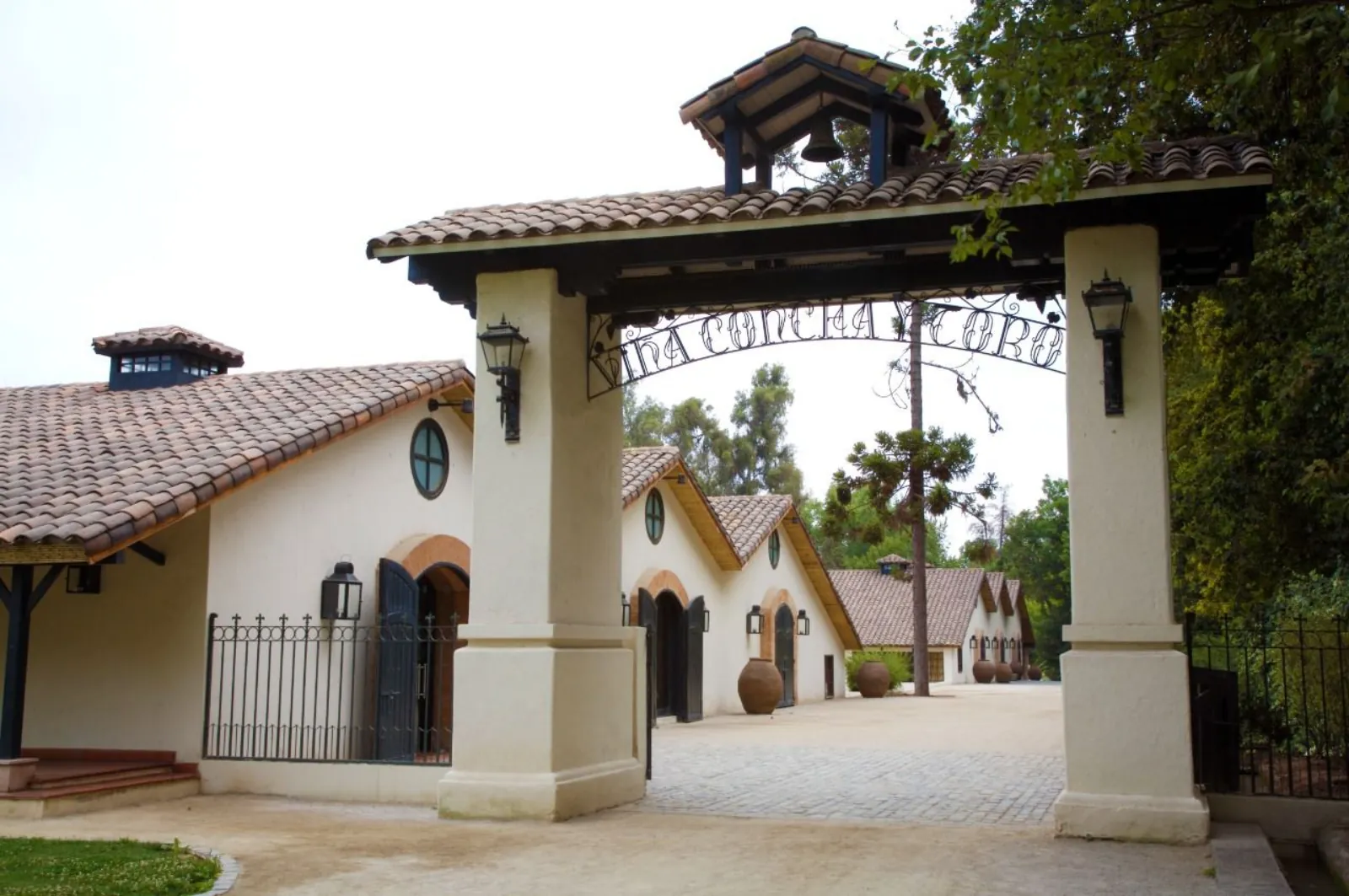
The 5 red grapes you should try in Maipo Valley
| Grape | Typical style | Tannin | Fruit profile | Best for |
|---|---|---|---|---|
| Cabernet Sauvignon | Structured, classic, complex | High | Blackcurrant, blackberry, plum | The essential Maipo glass |
| Carménère | Plush, spicy, herbal | Medium | Plum, blackberry, red fruit | Something unmistakably Chilean |
| Merlot | Soft, rounded, fruit-forward | Low–medium | Plum, cherry, berries | Easy drinking |
| Syrah | Dark, spicy, sometimes peppery | Medium–high | Blackberry, blueberry, dark plum | Richer, savory reds |
| Cabernet Franc | Fragrant, herbal, elegant | Medium | Redcurrant, raspberry, herbs | Wine enthusiasts and blends |
1. Cabernet Sauvignon: the wine you come to Maipo for
If Maipo Valley has a signature grape, this is it. Cabernet Sauvignon arrived in Chile from France in the 19th century and took particularly well to several central Chilean regions, Maipo among them. Wines of Chile points to sunny growing conditions, cool nights influenced by the Andes and dry summers, which let Cabernet ripen reliably while keeping its freshness. Our guide to Chilean Cabernet Sauvignon goes deeper on the grape alone.
What does Maipo Cabernet Sauvignon taste like?
A typical bottle may show:
- blackcurrant
- blackberry
- cassis
- plum
- red fruit
- dried herbs
- cedar
- tobacco
- cocoa
- graphite
- baking spice
Wines of Chile lists red fruit, blackcurrant, figs and cocoa among the flavors of Chilean Cabernet Sauvignon. Where the grapes grow still matters. Cabernet from the Andean side of Maipo, particularly around Puente Alto, can feel more precise and structured than the usual supermarket idea of ripe Chilean Cabernet. Concha y Toro credits altitude, cooling air and poor, gravelly alluvial soils for its Puente Alto Cabernet: the grapes ripen while keeping acidity, aroma and tannin structure.
Why Cabernet works so well here
Maipo gives Cabernet several things it likes:
- Sun: Cabernet ripens late and needs enough warmth to mature fully.
- Dry summers: dry ripening weather keeps disease down and makes grape maturity easier to manage.
- Cool nights: the swing between day and night temperatures helps keep acidity and aromatic freshness.
- Free-draining soils: many important Maipo vineyards sit on alluvial or gravelly soils that drain well and limit excessive vine growth.
Santa Rita, for example, describes its Maipo vineyards as alluvial and colluvial stony soils with a wide gap between day and night temperatures.
A Maipo Cabernet worth knowing about
One of the valley’s benchmark wines is Don Melchor, from the Puente Alto area. The 2021 Don Melchor, mostly Cabernet Sauvignon with small amounts of Cabernet Franc and Merlot, was named Wine Spectator’s 2024 Wine of the Year, which cemented Puente Alto’s place among Chile’s flagship Cabernet sites.
At Santa Rita, Casa Real is another reference point: the winery makes it from a historic Alto Jahuel vineyard as a pure expression of Maipo Cabernet Sauvignon.
You do not need to buy an icon wine to enjoy Maipo Cabernet. One of the pleasures of visiting is tasting the same grape across different quality levels and vineyard sites.
2. Carménère: the grape with Chile’s best story
If Cabernet Sauvignon shows what Maipo does well, Carménère tells you something about Chile itself. The grape came from Bordeaux but largely disappeared from European vineyards in the 19th century. In Chile it survived for decades mixed into Merlot plantings, and growers sold it as Merlot until it was properly identified. Wines of Chile counts it among the country’s emblematic red varieties.
The identification happened in Maipo. In November 1994, the French ampelographer Jean-Michel Boursiquot recognized the “Merlot” vines at Viña Carmen’s vineyards in Alto Jahuel as Carménère; DNA tests confirmed it, and Chile recognized the variety in its wine law in 1998.
What does Carménère taste like?
Expect some combination of:
- blackberry
- black cherry
- plum
- red berries
- dark chocolate
- herbs
- tobacco
- black pepper
- sweet spice
- earthy notes
Wines of Chile describes the variety as capable of complex, elegant wines with red fruit, earth and spice. A ripe Carménère is often softer and rounder than Cabernet Sauvignon, with less assertive tannin, which makes it a useful contrast in a tasting.
The flavor people often notice: green pepper
Carménère can show green or roasted pepper notes. They come from a family of aroma compounds called methoxypyrazines, which Cabernet Sauvignon and Cabernet Franc also carry. In a ripe, balanced Carménère that herbal note is attractive: roasted red pepper, dried herbs or savory spice. In less-ripe examples it turns aggressively green. A guide at the winery can explain how ripeness and vineyard location make the difference, one reason Carménère is especially interesting to taste at the source.
Is Maipo the best place in Chile for Carménère?
Not necessarily. Maipo grows Carménère, but it is not Chile’s largest Carménère region: Colchagua has substantially more planted, and neighboring Cachapoal is also closely tied to the grape. If Carménère is your only mission, you may eventually head farther south; our comparison of Maipo, Casablanca and Colchagua covers that trip. If you want to compare Chile’s defining red grapes on an easy day trip from Santiago, Carménère belongs in a Maipo tasting.
3. Merlot: the softer alternative
Merlot is often overshadowed by Cabernet and Carménère in Chile, but it remains one of Maipo’s important red grapes. Planting figures published by Wines of Chile list roughly 890 hectares of Merlot in Maipo, the valley’s second-largest named red variety after Cabernet Sauvignon in that dataset.
What does Chilean Merlot taste like?
Look for:
- plum
- black cherry
- red cherry
- blackberry
- soft spice
- chocolate
- gentle herbal notes
Merlot is usually:
- lower in tannin than Cabernet
- rounder in texture
- more obviously fruity
- easier to drink young
Wines of Chile calls Merlot fruity, smooth, velvety and approachable.
Who should choose Merlot?
Try it if you usually find Cabernet Sauvignon too dry or tannic. It is also a good bridge for anyone who says: “I like red wine, but I don’t like very heavy red wine.”
The curious Merlot–Carménère connection
Some Chilean vineyards once labeled Merlot were in fact Carménère. The two varieties look alike in the vineyard, and Carménère grew unnoticed among Chilean Merlot vines for years. That mix-up explains why some older descriptions of Chilean “Merlot” sound unusually spicy or herbal. It also gives a winery tasting a good story: a simple glass of red connects directly to one of the country’s defining vineyard discoveries.
4. Syrah: Maipo’s underrated red
Syrah is far less famous in Maipo than Cabernet Sauvignon, but it is well planted. Wines of Chile lists roughly 869 hectares of Syrah in Maipo, almost as much as Merlot, so look for it on tasting menus.
What does Chilean Syrah taste like?
Syrah varies a lot with where it grows. Typical notes include:
- blackberry
- blueberry
- black plum
- black pepper
- violets
- smoked meat
- olives
- spices
Wines of Chile describes Syrah as particularly sensitive to its site: warmer vineyards give powerful black-fruited wines, while cooler Chilean sites lean toward peppery, complex ones.
Why try Syrah in Maipo?
It gives you a different view of the valley. Cabernet leans on structure, cassis and cedar; Syrah often tastes darker, spicier, more floral and more savory. If a winery pours both Cabernet and Syrah from nearby vineyards, taste them side by side.
5. Cabernet Franc: the insider’s choice
Cabernet Franc is not one of Maipo’s dominant grapes, but serious Chilean red blends often make room for it. Compared with Cabernet Sauvignon, Cabernet Franc generally has:
- softer tannins
- brighter red-fruit flavors
- floral aromas
- herbal character
- less weight
Wines of Chile describes Cabernet Franc as softer and less tannic than Cabernet Sauvignon, with floral, herbal and textural qualities that make it useful in blends. You may find it:
- bottled on its own
- blended with Cabernet Sauvignon
- blended with Carménère
- in premium Bordeaux-style blends
Santa Rita’s Triple C has been made from Cabernet Franc, Cabernet Sauvignon and Carménère, a good example of the three grapes working together. For an experienced wine drinker, Cabernet Franc is one of the more interesting things to look for beyond the obvious Cabernet tastings.
What about Malbec?
Chile does make Malbec, but Maipo would not be our first stop for it. Malbec is far more closely tied to Argentina internationally, although the grape has a long history in Chile too. Chilean examples often show:
- blackberry
- blueberry
- violet
- plum
- soft, rounded tannins
Wines of Chile describes Chilean Malbec as fresh and elegant, often with juicy fruit and silky tannins. If you come across a Maipo Malbec or a blend with Malbec in it, try it. On a first Maipo visit, though, put Cabernet Sauvignon, Carménère, Syrah, Merlot and Cabernet Franc ahead of it.
What about Pinot Noir?
Pinot Noir matters in modern Chilean wine, but mostly outside Maipo. Chile’s cooler coastal regions such as Casablanca, San Antonio and Leyda, along with regions farther south, are better known for it. If your ideal red is delicate, pale and Burgundy-like, add a separate visit to a cooler region to your Maipo trip. Maipo’s strength lies in Bordeaux varieties and structured reds.
What about País and Carignan?
Both are fascinating grapes in the wider Chilean wine story, but Maipo is not where we would look for them.
País
País arrived in South America in the colonial period and remains important in old vineyards farther south. It can make:
- light-bodied reds
- juicy, fresh wines
- rustic traditional styles
- modern low-intervention wines
Carignan
Carignan is closely associated with old dry-farmed vineyards in Maule. It brings high acidity, tannin and deep color, and Chile’s VIGNO movement has helped showcase old-vine examples from Maule.
Both are worth exploring once you start digging deeper into Chilean wine, but neither is essential to a first Maipo tasting.
Cabernet Sauvignon vs Carménère: which should you try?
Try both: they tell different parts of Chile’s wine story.
| Cabernet Sauvignon | Carménère | |
|---|---|---|
| Maipo importance | Essential | Important but secondary |
| Body | Medium-full to full | Medium to full |
| Tannin | Medium-high to high | Medium |
| Fruit | Cassis, blackberry, plum | Plum, blackberry, red fruit |
| Other notes | Cedar, tobacco, graphite | Pepper, herbs, cocoa, spice |
| Texture | Firm, structured | Softer, plush |
| Best with | Steak, lamb, hard cheese | Pork, barbecue, spicy food |
| Best reason to try it | Maipo’s signature wine | Chile’s signature grape story |
Choose Cabernet if…
You like Bordeaux, Napa Cabernet or structured dry reds.
Choose Carménère if…
You prefer softer tannins, ripe dark fruit and spicy or herbal flavors.
Choose both if…
You want to understand Chilean wine. That is the option we recommend.
Maipo Cabernet vs Argentine Malbec
Travelers ask this one often. Both are South American classics, and they taste quite different.
Maipo Cabernet Sauvignon
Usually gives you:
- more tannin
- cassis and blackcurrant
- cedar
- herbs
- graphite
- firmer structure
Argentine Malbec
Usually gives you:
- softer tannin
- plum
- blackberry
- violet
- sweeter-tasting fruit
- plush texture
If you enjoy structure and savory complexity, Cabernet may appeal more. If you prefer ripe fruit and softness, Malbec may be easier to love straight away.
Why does Maipo produce such good red wine?
There is no single reason. Climate, topography, soils and a long history of winemaking all play a part.
Mediterranean climate
Maipo generally has:
- hot, dry summers
- cool, wetter winters
- long ripening seasons
That suits late-ripening red varieties. Wines of Chile describes Maipo’s climate as mild Mediterranean, with dry summers and wet winters.
Andes influence
The eastern side of the valley rises toward the Andes. Altitude and cold night air bring big swings between day and night temperatures, which help grapes keep their acidity while the flavors ripen.
Alluvial soils
Rivers running down from the Andes laid down stones, gravel, sand and other sediment. Some of Maipo’s best-known Cabernet vineyards grow on well-drained alluvial soils, where the vines work harder and grow less leaf.
Dry growing conditions
Low summer rainfall gives growers more control over vineyard water and cuts some fungal problems near harvest. Grapes tend to ripen consistently from year to year.
Does all Maipo red wine taste the same?
No, and this is one of the most useful things to know before you book a tour. “Maipo Valley” covers a large area, and people often split it into three zones.
Alto Maipo / Maipo Andes
Closer to the Andes and known for premium Cabernet Sauvignon. Expect higher altitude, stony alluvial soils and, at some sites, strong day-night temperature swings. Puente Alto and Pirque are two names you will see often.
Central Maipo
Warmer valley-floor conditions that often give ripe, fruit-forward reds.
Western Maipo / coastal-influenced Maipo
Toward the Coastal Range, vineyards have different soils and climate influences.
So do not judge Maipo from one wine: the same grape grown in different parts of the valley can taste noticeably different.
What does “Maipo Andes” mean on a wine?
A reference to the Andes side of Maipo points to vineyards on the eastern edge of the valley, near the foothills. These vineyards can have:
- cooler night temperatures
- higher altitude
- stony soils
- strong day-night temperature swings
That is one reason the eastern side of Maipo is so closely tied to premium Cabernet Sauvignon. Puente Alto is the best-known example.
What is a Chilean red blend?
Do not skip the blends. Many of Chile’s most interesting premium reds combine several Bordeaux-family grapes. Common components include:
- Cabernet Sauvignon
- Cabernet Franc
- Carménère
- Merlot
- Petit Verdot
Winemakers blend them because each grape adds something different:
- Cabernet Sauvignon: structure and aging potential
- Merlot: fruit and softness
- Cabernet Franc: aroma and freshness
- Carménère: spice and texture
- Petit Verdot: color, tannin and intensity
A good blend can taste more layered than any one grape on its own.
The best tasting order for Maipo red wine
If you are offered several wines, go from lighter and softer toward more structured. A useful sequence is:
- Merlot
- Carménère
- Syrah
- Cabernet Franc
- Cabernet Sauvignon
- Premium red blend
- Icon or reserve Cabernet
The exact order can change with the individual wines. The point is to avoid drinking the most powerful Cabernet first and then trying to appreciate something delicate.
A perfect 4-wine Maipo tasting flight
If you could design your own tasting, we would pour:
- Merlot, for a soft, fruity baseline.
- Carménère, for Chile’s distinctive spicy, herbal character.
- Cabernet Sauvignon, for the classic Maipo glass.
- A premium Cabernet-led blend, to see how winemakers add complexity with several grapes.
If you can add a fifth wine, make it Syrah or Cabernet Franc. No single winery pours exactly this flight, but a multi-winery day gets you close: the four-winery tour above, or the Maipo Valley Wine Tour to Four Wineries with Hotel Pickup, from $149 and rated 4.8/5 from more than 640+ reviews, which includes hotel pickup.
Best Maipo wineries for red-wine lovers
If your priority is understanding Maipo reds more than seeing a beautiful estate, look for tours that pour several wines or several quality levels. Established wineries in the valley include Concha y Toro, Santa Rita, Cousiño Macul, Undurraga, Pérez Cruz, De Martino, Haras de Pirque, Aquitania and Santa Ema, all on Wines of Chile’s Maipo winery list. Our guide to the best wineries in Maipo Valley compares ten of them.
Concha y Toro
Best for: first-time visitors, Cabernet Sauvignon and major Chilean wine history.
The Pirque property is closely tied to the Maipo Valley and runs one of Chile’s best-known winery visits. For serious Cabernet fans, the link to Don Melchor and Puente Alto is the draw. Our pick: the Concha y Toro Premium Wine Center Tour from Santiago, $105, 4.8/5 from more than 960+ reviews. Read whether Concha y Toro is worth visiting before you book.
Santa Rita
Best for: Cabernet Sauvignon, a historic estate and broader wine education.
Santa Rita’s Alto Jahuel estate ties Maipo history to Cabernet Sauvignon, and its flagship Casa Real shows how serious and age-worthy Maipo Cabernet can become. Our pick: the Santa Rita Vineyard Tour with Lunch from Santiago, $207, 4.8/5 from more than 420+ reviews; our Santa Rita guide covers the tasting options.
Cousiño Macul
Best for: a historic winery close to Santiago.
One of the classic names of the valley, and the practical choice if you do not want to travel far from the capital. Our pick: the Cousiño Macul Premium Wine Tour in English, $45, 4.9/5 from 210+ reviews, or the shorter Cousiño Macul Traditional Wine Tour in English, $27, 4.9/5 from 410+ reviews. More in our Cousiño Macul guide.
Undurraga
Best for: travelers who want to taste several Chilean varieties in one visit.
Its broad range helps if your main goal is comparison more than Cabernet alone. Our pick: the Undurraga Winery Sibaris Tour Ticket, $37, 4.7/5 from 100+ reviews; transport is not included. Our Undurraga guide explains the visit.
What food goes with Maipo red wine?
You do not need to overthink pairing: start with the weight of the wine.
Cabernet Sauvignon
Excellent with:
- steak
- grilled beef
- lamb
- roast meat
- empanadas de pino
- mature hard cheese
- mushroom dishes
Tannin works well with protein and fat. Our guide to wine and cheese tastings in Maipo Valley shows how a bite of aged cheese changes a Cabernet.
Carménère
Try it with:
- pork
- lamb
- barbecue
- charred vegetables
- smoked dishes
- mild chili
- cumin-spiced food
Its spicy, herbal side is very good with grilled flavors.
Merlot
Good with:
- chicken
- pork
- burgers
- pasta with tomato sauce
- pizza
- medium-hard cheeses
Syrah
Try it with:
- barbecue
- lamb
- sausages
- smoked meats
- peppered steak
Cabernet Franc
Particularly good with:
- lamb
- roast poultry
- mushrooms
- herbs
- grilled vegetables
What Chilean food should you try with red wine?
If your winery serves food, look for local dishes before you default to an international cheese board. Good options include:
Empanada de pino
A baked or fried pastry, usually filled with seasoned beef, onion, egg and olive. Cabernet Sauvignon works beautifully with it.
Pastel de choclo
A traditional corn-based dish with a savory meat filling. Carménère is a particularly enjoyable match.
Asado
Chile’s grilled meats suit Cabernet, Syrah and red blends.
Plateada
Slow-cooked beef, a strong match for structured Maipo reds.
Mature Chilean cheese
A simple way to taste how tannin changes when wine meets fat and salt. If you want a whole session of it, our Maipo Valley wine tour with lunch guide covers the food-led winery visits.
Are Chilean red wines dry?
Most still reds you taste at a Maipo winery are dry. They may smell sweet because of ripe fruit, vanilla or oak, but that is not the same as containing much sugar: a ripe Cabernet can taste of blackberry jam, cassis and vanilla and still be technically dry.
That helps visitors who say “I don’t like sweet wine.” You can order almost any Maipo Cabernet, Carménère, Merlot or Syrah without expecting a dessert wine.
Is Chilean Cabernet Sauvignon heavy?
Sometimes. A basic ripe Cabernet may feel:
- rich
- fruit-forward
- full-bodied
A more serious high-altitude or Andean-influenced Cabernet can instead feel:
- firm
- fresh
- mineral
- structured
- elegant
That is why tasting Cabernet at the source tells you more than a random Chilean bottle bought abroad. The category is much broader than “big inexpensive red wine.”
Does Chilean wine have sulfites?
Generally, yes. Most conventional wine worldwide contains some sulfur dioxide, which protects it from oxidation and spoilage, and even wines made with minimal added sulfur contain small amounts produced during fermentation. If you are sensitive to sulfites or have a diagnosed sulfite allergy, ask the winery about the specific bottle; do not assume “natural” or “organic” wine is sulfite-free.
Does organic wine taste different?
Not necessarily. “Organic” describes how the vineyard and winery work, not a flavor. Two organically farmed Cabernet Sauvignons can taste completely different depending on:
- vineyard location
- soil
- ripeness
- fermentation
- oak
- extraction
- aging
Choose organic wine because the farming matters to you, not because you expect one particular taste.
Should you spit wine during a tasting?
Yes, especially if you are visiting several wineries. Professional tasters spit all the time. It lets you:
- taste more clearly
- compare wines properly
- avoid palate fatigue
- stay safe
- remember which wine you preferred
No winery will think you are being rude; staff expect it.
How much wine do you get during a winery tasting?
It varies a lot. A standard tasting usually means several small pours, not full glasses. Premium experiences may include:
- reserve wines
- barrel samples
- older vintages
- food pairings
- vertical tastings
Do not assume a five-wine tasting equals five full glasses. If you are driving yourself, remember that even small pours add up quickly. A guided tour with transport is the easier choice when everyone in your group wants to taste; our guide to visiting Maipo Valley from Santiago compares the transport options.
How to read a Chilean red wine label
You may see several useful terms:
- Valle del Maipo: the grapes come from the Maipo Valley appellation.
- Cabernet Sauvignon / Carménère / Merlot: the stated grape variety.
- Reserva / Gran Reserva: these can mark a producer’s quality level, but they do not work like legally defined aging categories such as Rioja Reserva in Spain. Do not assume a bottle marked “Reserva” has spent a set number of years aging.
- Cosecha: vintage or harvest year.
- Ensamblaje: blend.
- Valle: valley or wine region.
- Viña: winery or vineyard company.
Is older Chilean red wine better?
Not automatically. Many inexpensive reds are made to drink young. Aging gets interesting with:
- premium Cabernet Sauvignon
- structured red blends
- wines from excellent vineyards
- bottles with enough tannin, acidity and concentration
Age can shift the flavors from fresh fruit toward:
- cedar
- tobacco
- leather
- dried fruit
- forest floor
- earth
- spice
If a winery offers a vertical tasting, several vintages of the same wine, book it: few tastings teach you more.
What vintage should you buy?
For casual drinking, freshness and producer matter more than chasing a perfect year. For expensive Cabernet meant for the cellar, vintage matters more. At the winery, ask:
- Was the growing season warmer or cooler than usual?
- Was harvest early or late?
- Is this vintage fruit-driven or structured?
- Is it ready to drink?
- How long could it age?
The answers tell you far more than asking which vintage scored highest.
How much should you spend on Chilean red wine?
Chile makes good wine at several price levels. Broadly, bottles fall into four groups:
- Everyday wine: fruit-forward and made to drink early.
- Reserva-level wine: more structure, possibly more oak, and more selective vineyard sourcing.
- Premium single-vineyard wine: more focused on the site and often more complex.
- Icon wine: tiny production, flagship vineyards, meticulous selection and premium prices.
For travelers, the best value is often neither the cheapest wine nor the icon bottle. The sweet spot is usually the winery’s upper-middle range, where you start to taste the vineyard without paying luxury prices.
Can you buy wine at the winery and bring it home?
Usually, yes. Most winery shops sell bottles, although availability varies. Before buying several, check:
- airline checked-baggage limits
- liquid rules for hand luggage
- customs allowances in your home country
- the risk of breakage
- whether the same wine is sold at home
A special bottle makes a great souvenir. For widely exported labels, check the price in your country first.
Which Maipo red wine should a beginner choose?
If you are completely new to red wine:
- Easiest starting point: Merlot. Soft, fruity and comparatively low in tannin.
- Most distinctively Chilean: Carménère. Ripe, spicy and usually approachable.
- Best introduction to Maipo itself: Cabernet Sauvignon. This is the wine that explains why the region is famous.
Which Maipo red wine should an experienced wine drinker choose?
Look beyond basic varietal tastings. Prioritize:
- single-vineyard Cabernet Sauvignon
- Puente Alto Cabernet
- older Cabernet vintages
- Cabernet Franc
- Syrah
- Bordeaux-style blends
- side-by-side vineyard tastings
- vertical tastings
Ask where the grapes were grown, not only which grape is in the bottle. That is where Maipo gets interesting. If you want a host who can go into that detail with just your group, the Cousiño Macul Private Winery Tour with Premium Tasting costs $90 and is rated 4.9/5 from 79 reviews.
What should you taste if you only have one winery visit?
Choose a tasting that includes at least:
- Carménère
- Cabernet Sauvignon
- Premium Cabernet Sauvignon or a Cabernet-led blend
That three-wine progression teaches you more about Chilean reds than three similar entry-level Cabernets. If possible, add:
- Syrah or Merlot
- An older or single-vineyard Cabernet
Best red wine for different travelers
| You say… | Try this |
|---|---|
| “I usually drink Malbec” | Carménère first, then Cabernet |
| “I like Bordeaux” | Cabernet Sauvignon and Cabernet-led blends |
| “I like soft red wine” | Merlot |
| “I love Shiraz” | Maipo Syrah |
| “I don’t like strong tannins” | Merlot or Carménère |
| “I want something uniquely Chilean” | Carménère |
| “I only have time for one glass” | Cabernet Sauvignon |
| “I’m serious about wine” | Puente Alto Cabernet, single-vineyard wines, Cabernet Franc and premium blends |
What red wine should you buy as a souvenir?
For a first trip, we would choose one of three bottles:
- A Maipo Cabernet Sauvignon: the safest choice and the wine most directly linked to the valley.
- A Carménère you cannot easily find at home: better if you want something that feels distinctly Chilean.
- A winery-only or single-vineyard bottling: often more memorable than a label stocked by supermarkets abroad.
Ask the winery: “Which bottle would be hardest to find outside Chile?” You will get a more useful answer than if you ask for the most expensive wine.
Cabernet, Carménère or blend: our recommendation
For most first-time visitors, taste all three. If we had to rank the reds for a Maipo trip:
- Cabernet Sauvignon: the essential bottle.
- Cabernet-led red blend: the best showcase of winemaking and complexity.
- Carménère: the wine with the most distinctly Chilean story.
- Syrah: the underrated alternative.
- Merlot: the easiest to drink.
The best way to explore Maipo red wine
If you are staying in Santiago, choose a tour that visits two or three wineries, not one. Tasting the differences between producers is where the region starts to make sense. A useful day might look like this:
- Winery 1: a historic producer and a classic Cabernet.
- Winery 2: a smaller estate pouring Carménère or Syrah.
- Winery 3: a premium tasting or a wine-and-food stop.
That gives you much more context than five wines from the same winemaking team. The Maipo Valley Wine and Food Trail: La Quirinca, Labranza and Undurraga follows that pattern over about ten hours with hotel pickup, from $135 and rated 4.8/5 from 78 reviews. Our Maipo Valley wine tours from Santiago page compares every tour.
Questions to ask during a Maipo wine tasting
You will get more from your visit if you ask specific questions. Try:
- Where exactly in Maipo were these grapes grown?
- Is the vineyard closer to the Andes?
- What type of soil is it planted on?
- Was the wine aged in French or American oak?
- How much new oak was used?
- Is this 100% one grape or a blend?
- Why was Carménère chosen for this vineyard?
- How old are the vines?
- Was the wine harvested by hand?
- How does this vintage differ from the previous one?
- Is this wine made to drink now or to age?
- Which bottle is only available in Chile?
- Which Cabernet best represents this vineyard?
They lead to much better conversations than “Which wine is best?”
Frequently asked questions
What red wine is Chile most famous for?
Chile is best known for Cabernet Sauvignon and Carménère. Cabernet Sauvignon is by far the most widely planted red grape, while Carménère has become one of the country’s emblematic varieties because of its unusual history: it grew unnoticed among Chilean Merlot vines until it was identified in 1994.
What red wine is Maipo Valley famous for?
Cabernet Sauvignon. It is Maipo’s dominant red grape and the variety most closely associated with premium areas such as Puente Alto and Alto Jahuel.
Is Carménère from Chile?
Carménère came from Bordeaux, France, but the grape largely disappeared there and later became closely associated with Chile, where vines once mistaken for Merlot were identified as Carménère at Viña Carmen in Maipo in 1994.
Is Carménère like Cabernet Sauvignon?
They share some flavors but are different wines. Cabernet Sauvignon is usually firmer and more tannic. Carménère tends to be softer, riper and more noticeably spicy or herbal.
Is Carménère like Merlot?
It can feel similarly soft and plush, which partly explains the historic confusion between the vines in Chile. Carménère usually has more spice and herbal character.
What is the smoothest Chilean red wine?
Merlot is usually the safest choice if you want soft tannins. Carménère can also be very smooth when the grapes are fully ripe.
Which Chilean red wine goes best with steak?
Maipo Cabernet Sauvignon is the classic choice.
Is Chilean red wine good?
Yes. Chile makes everything from inexpensive everyday reds to highly regarded age-worthy wines. Maipo Cabernet in particular has wide international recognition: Don Melchor 2021 from Puente Alto was named Wine Spectator’s 2024 Wine of the Year.
Is Maipo Cabernet sweet?
No. Most Maipo Cabernet Sauvignon is dry, even when ripe fruit and oak give flavors that seem sweet.
Should I visit Maipo or Colchagua for red wine?
Choose Maipo if you want Cabernet Sauvignon and an easy trip from Santiago. Choose Colchagua if you want a longer wine-country trip with particularly strong Carménère and many red-wine estates.
Is Casablanca Valley better for red wine?
Casablanca is better known for cool-climate whites such as Sauvignon Blanc and Chardonnay, along with Pinot Noir. Maipo is the stronger choice if your priority is Cabernet Sauvignon and fuller-bodied reds.
Which red wines should you try in Maipo?
You do not need to work through every grape grown in Chile on a Maipo visit. Start with Cabernet Sauvignon, the grape the valley is known for. Then taste Carménère for Chile’s most distinctive red-wine story, add Merlot for softness and Syrah for spice, and try Cabernet Franc or a premium blend if you want to dig deeper.
For a first tasting, order Carménère, then Cabernet Sauvignon, then a premium Cabernet or Bordeaux-style blend. That sequence takes you from a grape tied to Chile’s modern wine identity to the variety that made Maipo famous abroad. And if one bottle comes home with you from Santiago, make it a Cabernet from a vineyard you visited. For more on what to drink beyond the reds, read our Chilean wine guide or our Maipo Valley wine guide on what to taste at the wineries, and check your tour dates before you book, because schedules change by season; our guide to the best time to visit Maipo Valley explains how the seasons differ.
Spend the Day in the Maipo Valley
Free cancellation up to 24 hours before. Maipo Valley Wine Tour: 4 Wineries, Pisco Tasting and Optional Lunch from $109 per person.
Check Availability & Book