Maipo Valley wine guide: Cabernet Sauvignon, Carménère, Merlot and Chardonnay
What to taste on a Maipo Valley winery visit: Cabernet Sauvignon first, then Carménère, Merlot, Cabernet Franc, Syrah and the blends, with tasting flights, food pairings and questions to ask.
On a Maipo Valley winery visit, start with the Cabernet Sauvignon. It is the valley’s main grape by a wide margin: Wines of Chile lists about 5,517 hectares of Cabernet Sauvignon in Maipo, against roughly 890 of Merlot, 869 of Syrah, 709 of Carménère and 602 of Chardonnay. Then taste Carménère, the Bordeaux grape Chile grew for decades under the name Merlot, a real Merlot for a softer contrast, and one of the valley’s Bordeaux-style blends. That short list tells you more about Maipo than four Cabernets at the same price level.
This page is about what to put in your glass once you are at the winery. A tasting that pours several of these wines side by side does the teaching for you, and the Marqués de Casa Concha Tasting at Concha y Toro from Santiago below is a good example: ten pours across two tastings at Pirque, with transport from the city, from $135 and rated 4.9/5 from more than 1,200+ Viator reviews. Prices and ratings were checked in November 2026.
Check Availability
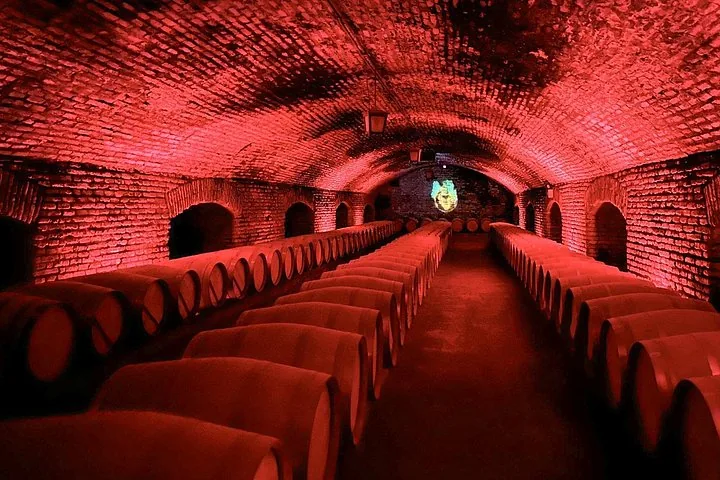
Marqués de Casa Concha Tasting at Concha y Toro from Santiago
- 4.9/5 (1,270+ reviews)
- 5 hours
- Free cancellation
- Operated by Turistik
Includes Round-trip bus transfer — from your chosen meeting point (Plaza de Armas, Av. Vitacura in Las Condes, or Parque Arauco) …
You'll choose your date and complete the booking on Viator. Free cancellation up to 24 hours before departure.
Same ride, also on GetYourGuide
From $135 per person · ★ 4.6 from 90+ GetYourGuide reviews
Each platform sets its own price and collects its own reviews, so compare both before you book on Viator.
What wine is Maipo Valley known for?
Maipo is best known for Cabernet Sauvignon, and the planting figures show why. Cabernet covers about six times the area of Merlot, the next grape on the list, and nearly eight times the area of Carménère. Chardonnay and Sauvignon Blanc are grown too, along with Cabernet Franc, Syrah, Petit Verdot and a few rarer varieties. Cousiño Macul, one of the oldest estates, lists Cabernet Sauvignon, Merlot, Syrah, Cabernet Franc, Petit Verdot, Chardonnay, Sauvignon Gris, Sauvignon Blanc, Riesling and Carménère in its Maipo vineyards.
| Grape | Maipo plantings (Wines of Chile) | What it means at a tasting |
|---|---|---|
| Cabernet Sauvignon | about 5,517 ha | The wine nearly every winery leads with |
| Merlot | about 890 ha | Often poured as the softer red |
| Syrah | about 869 ha | Less common on tours than its acreage suggests |
| Carménère | about 709 ha | On almost every flight, as Chile’s signature story |
| Sauvignon Blanc | about 604 ha | Usually the welcome glass |
| Chardonnay | about 602 ha | Ask whether it was grown in Maipo |
If you only have one winery tasting
Look for a flight that includes these four wines:
- Cabernet Sauvignon
- Carménère
- Merlot or Cabernet Franc
- A premium red blend
The quick picks: Cabernet Sauvignon is the one to try first, Carménère is the most Chilean, Merlot is the softest red, Chardonnay is the white to look for, Cabernet Franc is the pick for people who already know wine, and Cabernet against Carménère is the comparison that teaches the most.
Other Experiences
Other experiences you might enjoy
More Maipo Valley wine tours, each with its own page and booking link.

Maipo Valley wines at a glance
| Grape | Typical character | Body | Tannins | Why try it in Maipo? |
|---|---|---|---|---|
| Cabernet Sauvignon | Cassis, black cherry, cedar, herbs, spice | Medium-full to full | Medium-high to high | Maipo’s signature wine |
| Carménère | Blackberry, plum, herbs, pepper, spice | Medium to full | Usually softer than Cabernet | Chile’s rediscovered grape |
| Merlot | Plum, red berries, flowers, vanilla | Medium-full | Soft to medium | A round contrast to Cabernet |
| Chardonnay | Citrus to stone fruit, sometimes oak, depending on site and style | Medium-full | None | Shows another side of Maipo |
| Cabernet Franc | Red and black fruit, herbs, floral notes, spice | Medium to medium-full | Medium | Increasingly common in premium blends |
| Syrah | Blackberry, pepper, spice | Medium-full to full | Medium-high | A less obvious Maipo red |
| Red blends | Cabernet-led fruit, spice and structure | Usually full | Medium-high | Often a winery’s most ambitious wine |
Treat the descriptions as tendencies. Vineyard site, harvest date, vintage, oak and the winemaker’s choices can make two Maipo Cabernets taste quite different.
Why is Maipo Valley so famous for red wine?
Maipo surrounds Santiago and runs from vineyards in the Andes foothills in the east toward the Coastal Range in the west. Wines of Chile describes a Mediterranean climate with hot, dry summers and cold, wetter winters. Grapes ripen in the summer sun, and the cool nights hold on to their acidity. At its Maipo vineyards, Santa Rita describes day-to-night swings of more than 20°C, on stony alluvial and colluvial soils that drain well. Structured red grapes do well in those conditions, and one of them came to define the valley: Cabernet Sauvignon.
1. Cabernet Sauvignon: the wine you came to Maipo for
Burgundy has Pinot Noir, Barolo has Nebbiolo, and Maipo has Cabernet Sauvignon. Other grapes grow here, but Cabernet is the one that explains the region. Wines of Chile describes Maipo Cabernet as complex with well-structured tannins. Cousiño Macul calls Maipo the source of some of Chile’s finest Cabernet Sauvignon, and Santa Rita’s flagship, Casa Real, is 100% Cabernet Sauvignon from its Alto Jahuel estate.
Our guide to Chilean Cabernet Sauvignon goes deeper into the grape and its history. This section covers what you will notice in the glass.
What does Maipo Cabernet Sauvignon taste like?
Styles vary, but expect some of these:
- blackcurrant (cassis)
- blackberry
- black cherry
- plum
- cedar
- tobacco
- clove
- herbs
- graphite or mineral notes
- vanilla or toast where the oak shows
Santa Rita describes its Maipo Cabernet with ripe black fruit, vanilla, tobacco and cloves, and its Floresta Cabernet from Alto Jahuel with cherry, floral notes, firm tannins and fresh acidity. The two wines come from the same producer and taste noticeably different. The better Maipo Cabernets balance ripe fruit with acidity, tannin and savory notes, so expect more than a big, soft red.
Is Maipo Cabernet heavy?
It can be powerful, and power is not the same as heaviness. Entry-level Cabernet is often ripe, fruit-forward and easy to drink. Premium bottles from Alto Maipo and Puente Alto tend to be more structured, with:
- firmer tannins
- fresher acidity
- less obvious sweetness of fruit
- more herbal, cedar and mineral character
- a longer life in the cellar
Concha y Toro’s Don Melchor, from Puente Alto, shows the serious style, with dark fruit, tobacco, cedar and plenty of structure. Tasting an inexpensive Cabernet next to a premium one is among the most useful things you can do on a Maipo winery tour.
What food goes with Maipo Cabernet?
Choose robust food over delicate dishes:
- grilled beef
- steak
- lamb
- slow-cooked meats
- empanadas de pino
- mature cheeses
- roasted mushrooms
- rich meat sauces
Firm tannins suit fatty meat because protein and fat soften how the tannin feels. At Concha y Toro’s Bodega 1883 restaurant in Pirque, the Cabernet-based icon wine is paired with beef cooked over coals and ribeye, which is the classic match.
Why Maipo Cabernet can taste different from one winery to another
Many newcomers expect every Cabernet Sauvignon to taste like every other Cabernet Sauvignon. The grape sets the framework and the vineyard fills in the detail. The differences come from:
- altitude
- soil
- exposure
- distance from the Andes
- daytime heat
- nighttime temperature
- vine age
- irrigation
- yields
- harvest date
- fermentation
- oak
- bottle age
Two Cabernets made a short drive apart can feel quite different, which is why a two- or three-winery day works well here: the repetition becomes a comparison. At the second winery, skip “another Cabernet” and ask yourself how this one differs from the last.
2. Carménère: the grape every visitor to Chile should try
Cabernet may be Maipo’s signature wine, but Carménère carries Chile’s best wine story. It is a Bordeaux variety that became very rare in France after phylloxera destroyed European vineyards in the 19th century. Vines brought to Chile survived, and for decades many Chilean growers believed they were Merlot.
In 1994 the French ampelographer Jean-Michel Boursiquot identified vines thought to be late-ripening Merlot as Carménère. Concha y Toro records the identification that year and notes that it happened during a vineyard visit in Maipo, so the valley is part of the story. If you are interested in Chilean wine at all, taste it.
What does Carménère taste like?
Typical notes include:
- blackberry
- black plum
- cherry
- black pepper
- sweet spice
- cocoa
- herbs
- green peppercorn
- bell pepper
- a tomato-leaf herbal note
Concha y Toro explains that the grape naturally contains pyrazines, compounds behind green pepper, peppercorn and herbal aromas. They fade as the grapes ripen, so the harvest date shapes the style. A well-made Carménère should not taste like green pepper juice; a touch of herbal character makes it savory and distinctive. Concha y Toro describes Chilean Carménère as usually medium-bodied, with silky tannins and black fruit, black pepper and red pepper notes. In short: dark fruit, pepper, herbs and a soft texture.
Cabernet Sauvignon vs Carménère
This is the most useful comparison for a first-time visitor.
| Cabernet Sauvignon | Carménère | |
|---|---|---|
| Body | Medium-full to full | Medium to full |
| Tannins | Usually firmer | Usually softer and silkier |
| Fruit | Cassis, blackberry, black cherry | Blackberry, plum, cherry |
| Herbal character | Cedar and herbs can appear | More obvious pepper and herbal notes |
| Structure | Usually more tannic and linear | Often rounder and softer |
| Place in Maipo | The signature regional grape | An important Chilean specialty |
| Best for | Cabernet lovers, steak, aging | Curious drinkers, spicy and savory food |
If Cabernet is the tailored suit of Maipo wine, Carménère is the slightly more eccentric jacket: less rigid, spicier and more obviously Chilean.
Is Maipo the best place in Chile for Carménère?
Not on the numbers. Maipo makes good Carménère and the grape matters to the valley’s history, but Wines of Chile lists about 709 hectares in Maipo, far behind Cabernet. Cachapoal, south of Maipo, has substantially more Carménère and Wines of Chile highlights it as a natural home for the grape. Go to Maipo for Cabernet Sauvignon, and taste the Carménère while you are there.
3. Merlot: Maipo’s softer red
Merlot is easy to overlook. Cabernet gets the prestige and Carménère gets the story, yet a Merlot can be exactly what you want after two powerful Cabernets. Wines of Chile lists about 890 hectares of Merlot in Maipo, which makes it one of the valley’s main red grapes.
What does Maipo Merlot taste like?
Expect a softer profile:
- plum
- red berries
- black cherry
- floral notes
- vanilla
- tobacco
- gentle spice
Santa Rita describes its Maipo Merlot as full-bodied and elegant, with red fruit, floral aromas, vanilla and tobacco, balanced acidity and mature tannins, from well-drained alluvial terraces. The word to remember is round. Compared with Cabernet Sauvignon, Merlot usually has:
- softer tannins
- a smoother texture
- a less rigid structure
- a more approachable feel when young
It suits people who say “I like red wine, but nothing too dry.” Merlot is still a dry wine; what those drinkers usually dislike is the drying grip of tannin, and Merlot has less of it.
Merlot vs Cabernet Sauvignon
| Merlot | Cabernet Sauvignon | |
|---|---|---|
| Tannin | Softer | Firmer |
| Texture | Round, plush | Structured |
| Typical fruit | Plum, red and black fruit | Cassis, black cherry |
| Drinkability | Often approachable young | Often gains more from aging |
| Food | Roast chicken, pork, pasta, softer meat dishes | Steak, lamb, grilled beef |
| For beginners | Often the easier start | Good, but more powerful |
When you build a flight, Cabernet next to Merlot makes a clear contrast.
The Carménère–Merlot confusion
The Carménère story makes Chilean Merlot more interesting to taste. For much of the 20th century, Carménère vines grew among what Chilean producers believed was Merlot, and the difference only became clear in the 1990s. The two look alike in the vineyard, but Carménère ripens later, and that late ripening helped Boursiquot spot that Chile’s “Merlot” included something else. A real Chilean Merlot poured next to a Carménère lets you taste both sides of a famous case of mistaken identity.
4. Chardonnay: does Maipo make good white wine?
Yes, but Maipo is red-wine country, and the planting figures show it: Cabernet Sauvignon about 5,517 ha, Merlot 890, Syrah 869, Carménère 709, Sauvignon Blanc 604 and Chardonnay 602. Chardonnay grows here; it does not define the valley.
If your ideal Chilean wine day is crisp Sauvignon Blanc, Chardonnay or Pinot Noir, a coastal valley such as Casablanca suits you better. Wines of Chile describes Casablanca as one of Chile’s leading white-wine regions, with Sauvignon Blanc and Chardonnay among its defining grapes. In Maipo, treat the Chardonnay as a bonus.
What does Chilean Chardonnay taste like?
It varies a great deal with where it grows and how it is made. Possible flavors include:
- lemon
- grapefruit
- apple
- pear
- peach
- quince
- tropical fruit
- butter
- toast
- vanilla
Cool-climate, unoaked Chardonnay is bright and citrusy; warmer or barrel-fermented examples are richer, broader and creamier.
At a large Maipo winery, the Chardonnay in your glass may not come from Maipo at all. Concha y Toro’s restaurant in Pirque, for example, serves a Chardonnay from the Limarí Valley in the north. If you want to learn about the valley and not only the winery’s wider range, ask: “Is this Chardonnay from the Maipo Valley?”
Maipo Chardonnay vs Casablanca Chardonnay
If white wine is how you are choosing between the two regions:
Choose Maipo when
- you are already going for the Cabernet
- you want a mixed tasting of whites and reds
- Chardonnay is a side interest
Choose Casablanca when
- white wine is your priority
- you love Sauvignon Blanc
- you want cool-climate Chardonnay
- you also enjoy Pinot Noir
Casablanca has more than twice Maipo’s Chardonnay plantings, which matters if Chardonnay is the reason for your trip. A day that combines both is easy from Santiago: the Casablanca Valley Wine Tour: Emiliana, Casa del Molle and Bodegas RE visits three Casablanca wineries, from $139 with 4.8/5 from more than 650+ Viator reviews. Our Maipo vs Casablanca vs Colchagua comparison sets the valleys side by side.
5. Cabernet Franc: the grape for people who know wine
Cabernet Franc has nothing like Cabernet Sauvignon’s name recognition in Maipo, but look for it in premium flights and blends. Santa Rita lists Cabernet Franc among its main Maipo varieties, and its Triple C blends Cabernet Franc, Cabernet Sauvignon and Carménère. Cousiño Macul also grows Cabernet Franc in Alto Maipo.
What should you expect?
Cabernet Franc can bring:
- red berries
- dark fruit
- floral notes
- herbs
- graphite
- pepper
- freshness
It often feels more aromatic and lifted than Cabernet Sauvignon. If a premium tasting offers a single-varietal Cabernet Franc, take it; it is less predictable than another Cabernet, which is the point.
6. Syrah: Maipo’s under-the-radar red
Maipo has about 869 hectares of Syrah, almost as much as Merlot and more than Carménère, yet few visitors arrive asking for it. That makes it one of the valley’s more interesting secondary grapes. Depending on the vineyard and the winemaking, Syrah can show:
- blackberry
- blueberry
- black pepper
- violets
- smoked meat
- herbs
- spice
If you already know Cabernet Sauvignon well, a Maipo Syrah is the more surprising glass.
7. Red blends: often the most interesting wines
Some of Maipo’s most ambitious wines are not single varieties at all. The valley’s Bordeaux heritage means Cabernet Sauvignon is often blended with Cabernet Franc, Merlot, Carménère and Petit Verdot. Each grape adds something:
- Cabernet Sauvignon: structure and tannin
- Merlot: roundness and flesh
- Cabernet Franc: aroma and freshness
- Carménère: spice and a soft texture
- Petit Verdot: color, structure and perfume
Santa Rita’s Triple C combines Cabernet Franc, Cabernet Sauvignon and Carménère and is aged in French oak. Cousiño Macul’s icon wine, Lota, blends Cabernet Sauvignon and Merlot; the winery reports that the 2021 vintage scored 97 points in Tim Atkin’s 2026 Chile report. The best wine at a winery does not always say Cabernet Sauvignon in large letters on the label, and our page on Chilean red wine explains how the blends are put together.
If you only taste four wines in Maipo, choose these
For a first visit, we would build this flight:
- Estate Cabernet Sauvignon: the regional benchmark.
- Premium Cabernet Sauvignon: what better vineyard sites, lower yields, careful selection, oak and age add.
- Carménère: the Chilean contrast.
- Premium red blend: how the winery combines its grapes.
Optional fifth wine
Add a Merlot or a Cabernet Franc. Choose the Cabernet Franc if you are already comfortable with wine, the Merlot if you are still learning the main grapes.
Best grape for different wine drinkers
“I love Bordeaux”
Drink Cabernet Sauvignon and Cabernet-led blends. Maipo is one of the easiest Chilean regions to read if you already enjoy Bordeaux varieties.
“I like Napa Cabernet”
Start with Maipo Cabernet Sauvignon, and expect some bottles to taste more restrained, herbal or savory than ripe Californian Cabernet.
“I don’t like tannic wine”
Try Merlot or Carménère; both usually feel softer than Cabernet Sauvignon.
“I want something uniquely Chilean”
Try Carménère. It is not native to Chile, but Chile became its modern home after the rediscovery in the 1990s.
“I only drink white wine”
You will find Chardonnay and Sauvignon Blanc in Maipo, but if wine is the main reason for your trip, Casablanca Valley may suit you better.
“I know a lot about wine and want something less obvious”
Look for:
- Cabernet Franc
- Syrah
- old-vine bottlings
- single-vineyard Cabernet
- vertical tastings
- premium Bordeaux-style blends
Which Maipo wineries are best for which grapes?
Each estate has its strengths, so match the winery to the grapes you want to taste. Our list of the best wineries in Maipo Valley covers more estates.
Concha y Toro
Go for: Cabernet Sauvignon, Chilean wine history and a broad range. The Pirque estate, founded in 1883, is among Maipo’s best-known visits, and its premium Cabernet story runs through Puente Alto and Don Melchor. It suits first-time visitors who want a polished introduction. Our pick: the Concha y Toro Premium Wine Center Tour from Santiago, $105, 4.8/5 from more than 950+ Viator reviews, or the Marqués de Casa Concha tasting above if you want more pours. Read whether Concha y Toro is worth visiting before you choose.
Santa Rita
Go for: Cabernet Sauvignon, heritage and blends. The Alto Jahuel estate is closely tied to premium Maipo Cabernet, including Casa Real, and the winery also works with Merlot, Cabernet Franc and other reds in Maipo. It suits Cabernet lovers who also want history and a whole estate to explore. Our pick: the Santa Rita Vineyard Tour with Lunch from Santiago, $207, 4.8/5 from more than 400+ Viator reviews; our Santa Rita guide has the details.
Cousiño Macul
Go for: Cabernet, Merlot, blends and comparing grapes. Its Maipo vineyards grow an unusually long list of varieties, from Cabernet Sauvignon and Merlot to Sauvignon Gris, Riesling and Carménère, so it suits anyone who wants to compare several grapes at one historic estate inside Santiago. Our pick: the Cousiño Macul Premium Wine Tour in English, $45, 4.9/5 from more than 200+ Viator reviews, which pours the estate’s higher-end wines; see our Cousiño Macul guide.
Don’t assume every wine at a Maipo winery comes from Maipo
This is one of the most useful tips on the page. Large Chilean producers own vineyards or buy grapes in several valleys, so in a Maipo tasting room you might drink:
- Sauvignon Blanc from Casablanca
- Chardonnay from Limarí
- Carménère from Cachapoal
- Pinot Noir from another coastal valley
That can make an excellent tasting, but “wine tasted in Maipo” and “Maipo Valley wine” are not always the same thing. Concha y Toro’s restaurant in Pirque lists Sauvignon Blanc from Casablanca, Chardonnay from Limarí and Carménère from Peumo alongside Cabernet from Puente Alto. If you want to understand the valley, ask your guide which wines in the flight are made from Maipo-grown grapes. It is the single most useful question a beginner can ask.
Understanding “Maipo Valley” on a wine label
A bottle labeled Maipo Valley is tied to grapes grown in that wine region. As you move into premium wine, you will see smaller place names too:
- Puente Alto
- Pirque
- Alto Jahuel
- Buin
- Alto Maipo
These names matter because Maipo is not one uniform vineyard. The Andes-influenced eastern sections differ from the warmer, lower parts of the valley, so “Where in Maipo were these grapes grown?” gets you a better answer than “Is this from Maipo?”
What is Alto Maipo?
You will hear Alto Maipo often in conversations about premium Cabernet. Broadly, it means the higher eastern part of the valley, close to the Andes. Cousiño Macul places its Macul and Buin vineyards in Alto Maipo and credits the elevation and the Andean foothills for the character of its wines. The area is known for structured, high-quality Cabernet Sauvignon. That does not make every Alto Maipo wine better; it shows that origin within Maipo matters once you reach premium bottles.
What makes Maipo Cabernet different from Carménère?
Here is the simplest tasting exercise. Take a sip of Cabernet, then of Carménère, and pay attention to three things.
1. Tannin
Cabernet usually grips your gums more firmly.
2. Herbal aroma
Carménère often shows more peppery or leafy character.
3. Shape
Cabernet tends to feel straighter and more structured; Carménère often feels rounder.
You do not need to name fifteen fruits. If you can notice structure, texture and herbal character, you are learning more than someone trying to decide between blackberry and blackcurrant.
What does “tannin” mean?
Tannin is the drying, slightly gripping feeling around your gums and tongue after many red wines. Strong black tea gives a similar sensation. Cabernet Sauvignon has a lot of it; Merlot and Carménère usually feel softer. Tannin is not a flaw: it gives wine structure and helps it age. Food, especially protein and fat, makes a tannic wine feel much smoother, which is why Cabernet and steak became a classic pair.
What does “dry wine” mean?
Dry does not mean tannic. A dry wine has little perceptible sweetness, and a wine can be:
- dry and soft
- dry and tannic
- sweet and low in tannin
- sweet and high in acid
Nearly all serious Maipo Cabernet, Merlot and Carménère is made as dry table wine. If you tell a guide “I don’t like very dry red wine,” they can help more if you work out whether you dislike:
- tannin
- acidity
- alcohol
- oak
- bitterness
- or a real lack of sweetness
What is oak doing to the wine?
Premium Maipo reds are often aged in oak barrels, which can add:
- vanilla
- cedar
- toast
- cloves
- coffee
- cocoa
- smoke
Good oak sits inside the fruit; it should never taste like a plank in the glass. Santa Rita’s Triple C is aged in French oak, and its Cabernet tasting notes mention vanilla, tobacco and cloves. At a tasting, go through each wine in order: fruit, tannin, acidity, oak, finish. That framework helps more than memorizing tasting notes.
Does expensive Maipo wine taste better?
Often it does, though better is not the same as easier to drink. Moving from basic to premium Maipo Cabernet usually brings:
- more concentration
- finer tannins
- a longer finish
- more complexity
- better balance
- better-integrated oak
- more aging potential
It does not usually bring more obvious fruit or more sweetness, so a beginner may prefer the simpler bottle, and that is fine. A premium tasting shows you what the extra money buys; it does not tell you what you are supposed to like.
Reserva, Gran Reserva and premium: what do the terms mean?
Visitors from Spain or Italy sometimes assume Reserva guarantees a set aging period. Do not assume that in Chile. To judge a Maipo wine, look at:
- the producer
- the vineyard origin
- the grape
- the vintage
- the winemaking
- the aging information
- the price
- how it tastes to you
Knowing where the grapes grew tells you more than a grand-sounding label.
Best food pairings for Maipo wines
| Wine | Try it with |
|---|---|
| Cabernet Sauvignon | Steak, grilled beef, lamb, mature cheese |
| Carménère | Pork, lamb, grilled vegetables, spicy dishes |
| Merlot | Roast chicken, pork, pasta, mushrooms |
| Chardonnay | Fish, chicken, creamy pasta, cheese |
| Cabernet Franc | Lamb, duck, roast vegetables |
| Syrah | Barbecue, lamb, sausages, smoky food |
| Red blend | Beef, roast meats, rich sauces |
Treat the chart as a starting point. If you want Carménère with your steak, order it. If you want a full meal matched to the wines, our guide to a Maipo Valley wine tour with lunch lists the winery restaurants, and the wine and cheese tastings page covers the lighter option.
What wine should you buy to take home?
Skip the bottle you can already find at your local supermarket and look for these:
Winery-exclusive bottles
Some producers sell wines at the estate that are rarely exported.
Single-vineyard wines
They connect you with the vineyard you have just walked through.
Premium Cabernet Sauvignon
If one category deserves suitcase space, this is it.
Carménère
Especially a bottling you cannot easily find at home.
Cabernet Franc or unusual blends
They often make better souvenirs than labels sold worldwide.
Should you buy wine at the winery?
Not automatically. Winery shops are convenient, and you may find exclusive labels, gift packs, older vintages, large formats and the wines you have just tasted. Not every bottle is cheaper there than in Santiago, so buy the wine because you want that bottle. If you are flying home, check your airline’s baggage allowance and your country’s alcohol import limits before you buy six bottles.
Red wine temperature: don’t drink Maipo Cabernet too warm
“Room temperature” misleads when the room is 27°C. Big reds usually taste better slightly cool. A bottle left in summer heat tastes of alcohol and feels heavy. Wineries know this, but if you open your purchases later in a Santiago apartment or hotel, chill the bottle briefly; it will warm in the glass.
When is the best time to taste these wines in Maipo?
The bottled wines are poured all year, so you do not need to come at harvest to drink Cabernet. February to April is the most interesting stretch, because you may see grapes on the vines or winemaking under way while you taste earlier vintages. For an all-round wine trip we would choose March or April; for green vineyards with fewer visitors, October and November. Our guide to the best time to visit Maipo Valley goes month by month.
How many wines should you taste in one day?
A standard flight pours three to five wines, so three wineries can mean 12 to 15 glasses. Even with small pours, your palate tires.
Two wineries
Ideal if you want proper tours, a thoughtful tasting, lunch and no rushing.
Three wineries
Good for committed wine lovers who want a comparison.
Four wineries
Usually too many unless the visits are short and well planned. By the fourth tasting, the differences between Cabernet vineyards start to blur, and two excellent estates beat four boxes ticked. If you still want the full round, the Maipo Valley Wine Tour: 4 Wineries, Pisco Tasting and Optional Lunch manages it in about ten hours, from $109 with 4.9/5 from more than 2,900+ Viator reviews.
Should beginners take a premium tasting?
Yes, ideally after a basic tasting or as part of a comparative flight. A $100 bottle teaches little when you have nothing to compare it with. The most useful setup is entry-level, then reserve, then premium or icon wine from the same producer. That lets you notice how these change as you move up the range:
- vineyard quality
- grape selection
- barrel aging
- concentration
- tannin quality
- bottle age
What to ask your winery guide
You do not need technical knowledge. Five questions get you a long way:
- Which wines in this tasting are from the Maipo Valley?
- Where in Maipo are the grapes grown?
- What makes this Cabernet different from the previous one?
- How much oak aging does this wine get?
- Which wine would you pour to show what your vineyard does best?
For Carménère, add: how ripe do you want the grapes before harvest, and how much herbal character do you keep? You will get a far more interesting answer than from “What flavors should I taste?”
The best Maipo tasting for a complete beginner
This sequence builds weight and intensity one step at a time:
Wine 1: Chardonnay
Start fresh and light.
Wine 2: Merlot
Move to a softer red.
Wine 3: Carménère
Notice the pepper, herbs and darker fruit.
Wine 4: Cabernet Sauvignon
Focus on the firmer tannins and structure.
Wine 5: premium Cabernet or red blend
Finish with the most complex wine.
The best Maipo tasting for a wine enthusiast
Skip the generic flight and ask for:
- Cabernet from two different Maipo sites
- A current and an older Cabernet vintage
- Carménère
- Cabernet Franc
- A premium Bordeaux-style blend
A vertical tasting, several vintages of the same wine, is even better where a winery offers one. It shows what Maipo does best: place, vintage and aging.
Does vintage matter in Maipo?
Yes. Chile’s central valleys have fairly dependable growing seasons, but no two are the same, and temperature, rain and harvest timing change:
- ripeness
- acidity
- tannin
- alcohol
- aroma
- concentration
Santa Rita’s report on the 2026 Casa Real vintage describes it as expressive and harmonious and notes that the harvest was slightly delayed to reach full phenolic ripeness. You do not need vintage charts, but if a tasting pours two vintages of the same Cabernet, it is the easiest way to see what vintage variation means.
Is Chilean Cabernet Sauvignon good?
Yes, and Maipo is a big reason why. The valley makes everything from everyday bottles to serious, age-worthy reds. Its established producers, long Cabernet history, Andean vineyard sites and large plantings make Cabernet Sauvignon the grape to understand it by; Wines of Chile calls Maipo the birthplace of renowned Chilean reds, with Cabernet as its dominant variety. The question to take to the tasting room is which style of Maipo Cabernet you prefer.
Frequently asked questions
What wine is Maipo Valley famous for?
Cabernet Sauvignon. It is Maipo’s dominant grape, with about 5,517 hectares planted according to Wines of Chile, and the valley is known for structured, high-quality Cabernet.
What is the best wine to try in Maipo Valley?
On a first visit, start with Cabernet Sauvignon, then taste Carménère for contrast. Add a premium Cabernet-led blend if the tasting offers one.
Is Maipo Valley known for Carménère?
Carménère grows in Maipo and is part of Chile’s wine history, but Cabernet Sauvignon dominates the valley: Wines of Chile lists about 709 hectares of Carménère against 5,517 of Cabernet Sauvignon.
Is Carménère the same as Merlot?
No. They are separate Bordeaux varieties. Chilean growers confused them for many years until Carménère was identified in Chile in 1994.
What does Carménère taste like?
Typical Carménère shows blackberry and dark fruit, pepper, spice and herbal or bell-pepper notes, usually with softer tannins than Cabernet Sauvignon.
What does Maipo Cabernet Sauvignon taste like?
Expect blackcurrant, black cherry and other dark fruit with herbs, cedar, tobacco, spice and oak, on firm tannins. Individual wines vary with the vineyard and the winemaking.
Does Maipo Valley make Chardonnay?
Yes. Wines of Chile records about 602 hectares of Chardonnay in Maipo. Maipo is mainly a red-wine region, though, and if Chardonnay and Sauvignon Blanc are your priority, consider Casablanca Valley.
Is Maipo better for red or white wine?
Red. Cabernet Sauvignon, Merlot, Syrah and Carménère make up most of Maipo’s plantings, and the valley’s reputation rests on its reds.
Which is softer, Carménère or Cabernet Sauvignon?
Usually Carménère, which feels softer and less tannic, although winemaking and ripeness can change that.
Is Merlot grown in Maipo Valley?
Yes. Wines of Chile lists about 890 hectares of Merlot in Maipo.
Is Syrah grown in Maipo?
Yes, more than many visitors expect: about 869 hectares, almost as much as Merlot.
What should a beginner order at a Maipo winery?
A tasting with Cabernet Sauvignon, Carménère, Merlot and a red blend is an excellent start.
Should I choose Maipo or Casablanca for wine tasting?
Choose Maipo for Cabernet Sauvignon and red wine, and Casablanca for Sauvignon Blanc, Chardonnay and cooler-climate styles.
Choosing your glasses in Maipo
Make Cabernet Sauvignon the center of your tasting, because it is the grape that explains the valley’s landscape, history and reputation. Then branch out: Carménère for its Chilean story, Merlot to see a softer Bordeaux grape in the same soil, Cabernet Franc or Syrah when they are offered, and a blend to see the winemaker’s ambition.
If we were choosing five glasses
- Merlot
- Carménère
- Estate Cabernet Sauvignon
- Premium Cabernet Sauvignon
- Cabernet-led red blend
Before you worry about blackberry or blackcurrant, ask which of the wines comes from the Maipo Valley.
Quick Maipo wine cheat sheet
| If you want… | Order… |
|---|---|
| The classic Maipo wine | Cabernet Sauvignon |
| Something distinctly Chilean | Carménère |
| A softer red | Merlot |
| Something less obvious | Cabernet Franc |
| A big, spicy red | Syrah |
| White wine | Chardonnay |
| The winery’s most ambitious wine | Premium Cabernet or red blend |
| A pairing for steak | Cabernet Sauvignon |
| A beginner’s comparison | Cabernet vs Carménère |
| A comparison for wine lovers | Two Cabernets from different Maipo vineyards |
What should I taste if I usually like…?
| You normally like… | Try in Maipo |
|---|---|
| Napa Cabernet | Maipo Cabernet Sauvignon |
| Bordeaux | Cabernet blends or Cabernet Franc |
| Smooth reds | Merlot |
| Spicy reds | Carménère |
| Shiraz or Syrah | Maipo Syrah |
| Chardonnay | A Maipo-grown Chardonnay (ask) |
| “I know nothing about wine” | A Cabernet and Carménère comparison |
For a broader introduction to Chilean wine through the valley, read our Chilean wine guide; to choose a day trip, start with the Maipo Valley wine tours from Santiago overview. Check your tour dates before you book, because winery schedules change through the year.
Spend the Day in the Maipo Valley
Free cancellation up to 24 hours before. Marqués de Casa Concha Tasting at Concha y Toro from Santiago from $135 per person.
Check Availability & Book