Concha y Toro winery: is it worth visiting from Santiago?
Is Concha y Toro worth visiting from Santiago? The official tours and prices, what you see, how to get to Pirque, and who should pick a smaller winery instead.
Yes, Concha y Toro is worth visiting, especially if it is your first winery in Chile. It is one of the easiest wine trips from Santiago, and you get historic gardens, underground cellars, the Casillero del Diablo story and a wider range of tastings than the brand’s supermarket image suggests. The estate is in Pirque, 27 km south of central Santiago, 45 to 55 minutes by car. The winery’s own Premium Guided Tour costs CLP 50,000, and longer tastings, food pairings and premium-wine experiences cost more.
It suits first-time visitors, couples, casual wine drinkers, Casillero del Diablo fans and anyone who wants one simple winery trip from Santiago. Think twice if you want a tiny boutique vineyard, time with the winemaker or a quiet tasting away from tour groups. If you want the transport handled, the Marqués de Casa Concha Tasting at Concha y Toro below is a five-hour bus trip from Santiago with the winery tour and a seated tasting with a cheese board, from $135 and rated 4.9 from 1,270+ Viator reviews. Prices and ratings were checked in October 2026.
Check Availability
Marqués de Casa Concha Tasting at Concha y Toro from Santiago
- 4.9/5 (1,270+ reviews)
- 5 hours
- Free cancellation
- Operated by Turistik
Includes Round-trip bus transfer — from your chosen meeting point (Plaza de Armas, Av. Vitacura in Las Condes, or Parque Arauco) …
You'll choose your date and complete the booking on Viator. Free cancellation up to 24 hours before departure.
Same ride, also on GetYourGuide
From $135 per person · ★ 4.6 from 90+ GetYourGuide reviews
Each platform sets its own price and collects its own reviews, so compare both before you book on Viator.
Concha y Toro at a glance
| Question | Answer |
|---|---|
| Is Concha y Toro worth visiting? | Yes, for most first-time visitors to Chile |
| Where is it? | Pirque, Maipo Valley |
| Distance from Santiago | About 27 km |
| Travel time | 45 to 55 minutes by car |
| Basic winery visit | 120 minutes |
| Official starting price | CLP 50,000 |
| Best upgrade | Marqués de Casa Concha or Cellar Collection tasting |
| Best feature | The historic estate and the Casillero del Diablo cellar |
| Biggest drawback | More polished and commercial than a boutique winery |
| Can you visit without a tour from Santiago? | Yes |
| Do you need to book? | Yes, ideally at least 48 hours ahead |
| Can children visit? | Yes, on the tour, but under-18s cannot enter the tasting room |
| Restaurant? | Yes, Bodega 1883 |
Other Experiences
Other experiences you might enjoy
More Maipo Valley wine tours, each with its own page and booking link.
Is Concha y Toro worth visiting?
For travelers with only a few days in Santiago, Concha y Toro is one of the easiest winery visits to recommend. It is no hidden gem: it is one of Chile’s biggest wine names, with bottles sold in more than 130 countries. The company dates to 1883, when Melchor Concha y Toro began making wine in Pirque with vines brought from Bordeaux.
The Pirque estate still gives you what you want from a wine-country day trip: historic gardens and buildings, vineyards against the Maipo foothills, underground cellars, guided tastings, premium wines you may not order at home, one of Chile’s best-known wine stories, a good restaurant, and unusually simple logistics from Santiago.
That makes it a good first winery. If you have never visited a Chilean vineyard, it is an easy introduction to the history, grapes and style of the Maipo Valley. If you have spent a week at small family estates in Burgundy, Mendoza or Napa, you may find it polished and visitor-focused.
Choose Concha y Toro for an organized, attractive and historically interesting introduction to Chilean wine. Choose a smaller Maipo winery if intimacy and contact with the producer matter more to you than the famous name.
Why is Concha y Toro famous?
There are three Concha y Toro stories.
The first is the company. Melchor Concha y Toro founded the winery in Pirque in 1883, imported French vines and invested in cellars and equipment. The first exports went to the Netherlands in 1933, and the business grew into one of Chile’s largest international wine companies.
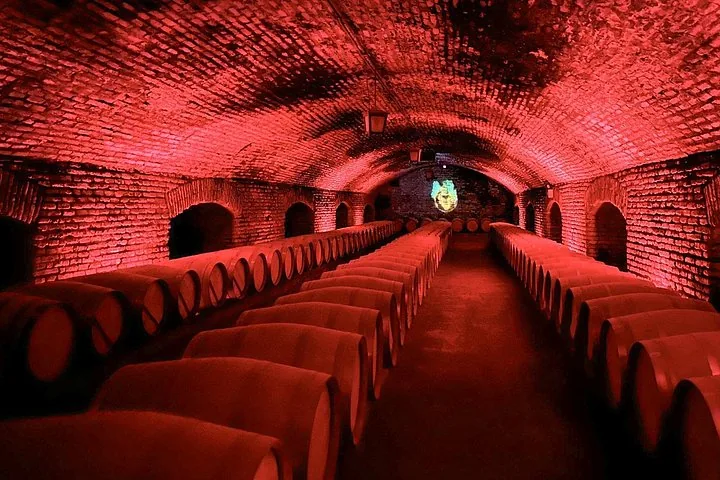
The second is Casillero del Diablo. According to the company’s legend, wine kept disappearing from Melchor Concha y Toro’s cellar, so he spread a rumor that the devil lived among the barrels. The thefts stopped, and the story became the identity of Casillero del Diablo, “the Devil’s Cellar.” Visitors still go down into the historic cellar on the tour.
The third, and the more interesting one for serious wine drinkers, is premium Maipo Cabernet Sauvignon. Concha y Toro makes far more than Casillero del Diablo: its portfolio includes Marqués de Casa Concha and Don Melchor, and the premium tastings at Pirque let you explore the top of the range instead of stopping at the familiar labels.
What you see on a Concha y Toro winery tour
The visit depends on the package, but the core tour covers four main stops.
1. The historic park and estate
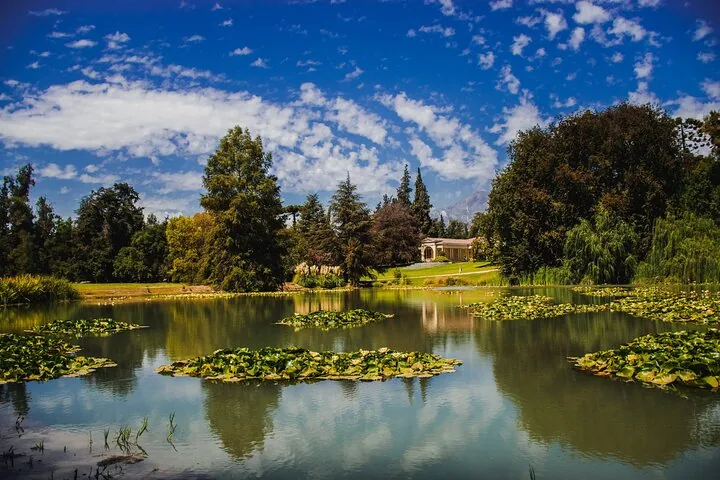
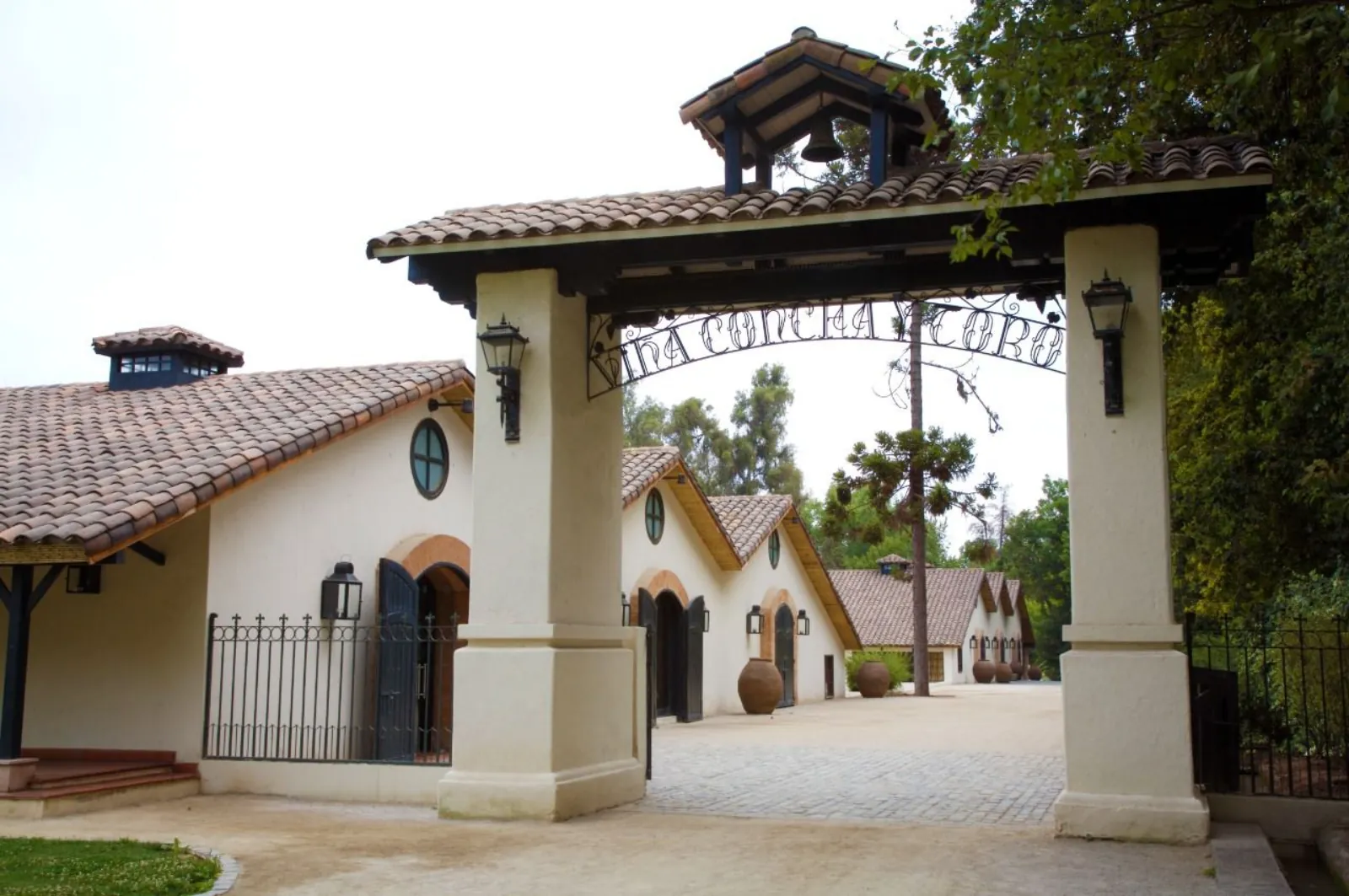
The Pirque property is more impressive than visitors expecting an industrial winery imagine. The historic center includes a century-old landscaped park of about 22 hectares, the grounds of Casa Don Melchor and the original estate architecture. Arrive a little early so you have time to walk around before your tour.
2. The variety garden
You usually see vines of different wine grapes side by side. If you are new to wine, this turns Cabernet Sauvignon, Carménère, Chardonnay and the others from names on a label into plants you can compare. Do not expect an agricultural deep dive: it is a visitor experience, not a viticulture course.
3. Casillero del Diablo
This is the part almost everyone remembers. The underground cellar mixes wine history with a deliberately atmospheric telling of the Devil’s Cellar legend. Wine purists may find it theatrical; most visitors find it fun. The cellar is a historic part of the estate, not a theme-park set.
4. Wine tastings
The number and quality of the wines depend on your ticket, so this is where choosing the right tour matters. The entry-level Premium Guided Tour pours four wines, while the upgrades add private tastings of higher-tier wines, food pairings and more time at the estate. If wine is the main reason you are going, book an upgrade, and compare Maipo tasting tiers at other wineries before you choose. If sightseeing is the priority, the basic visit is enough.
Current Concha y Toro tours and prices
Concha y Toro has expanded its wine tourism, so there is no longer one simple “Concha y Toro tour.” The winery’s official booking pages list these options as of October 2026:
| Experience | Duration | Official price | Best for | Our pick from Santiago |
|---|---|---|---|---|
| Premium Guided Tour | 120 min | CLP 50,000 | A first visit | Premium Wine Center Tour, from $105, 4.8 from 930+ |
| Premium Guided Tour + Concha y Toro tasting | 165 min | CLP 60,000 | A better tasting without going all in | Book with the winery |
| Premium Guided Tour + Marqués de Casa Concha tasting | 165 min | CLP 80,000 | Wine enthusiasts | Marqués de Casa Concha Tasting, from $135, 4.9 from 1,270+ |
| Premium Guided Tour + Cellar Collection tasting | 165 min | CLP 100,000 | Serious wine tasting | Book with the winery |
| Premium Guided Tour + lunch at Bodega 1883 | 160 min | CLP 100,000 | Wine and food | Book with the winery |
| Premium Guided Tour + La Gran Barra pairing | 180 min | CLP 90,000 | Food pairings | Book with the winery |
| Casillero del Diablo Night Experience + Dinner | 180 min | CLP 100,000 | Couples, an evening out | Night Tour and Dinner Show, from $207, 4.8 from 230+ (Spanish only) |
| Diablo Wine Sunset | 210 min | CLP 60,000 | Atmosphere and sunset | Book with the winery |
The winery also ran a Harvest Experience from 14 March to 18 April 2026, 180 minutes with lunch, for CLP 120,000. Packages and prices change, sometimes between versions of the winery’s own pages, so check the price shown for your date before you pay. The tours from Santiago include transport, which is why they cost more than the ticket. Our Maipo Valley wine tasting prices page sets these tiers beside Santa Rita, Undurraga and Cousiño Macul.
Which Concha y Toro tour should you book?
Premium Guided Tour, for most visitors
Start here if you mainly want to see the winery, hear the story and taste a few wines. It runs about two hours and covers the historic park, the museum and sensory areas, the variety garden, Casillero del Diablo and a four-wine tasting. Choose it if this is your first Chilean winery, you are not a serious wine geek, or you want to keep the outing to about half a day.
Marqués de Casa Concha tasting, for wine drinkers
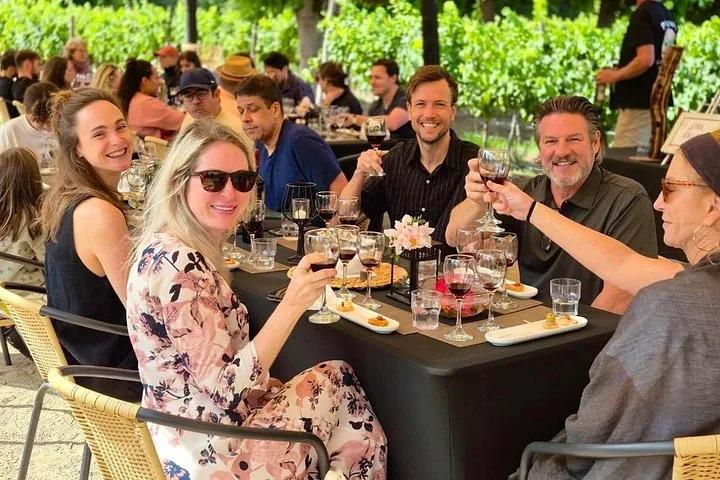
This is the upgrade to consider. On top of the main tour it adds a private tasting of six Marqués de Casa Concha wines with a cheese board, after the four premium wines of the main visit, according to the official description. That turns famous-winery sightseeing into a real tasting. From Santiago, the Marqués de Casa Concha tasting trip includes the bus from Plaza de Armas, Las Condes or Parque Arauco; the Concha y Toro Marqués de Casa Concha Tasting Tour on GetYourGuide is a similar Marqués tasting trip from $135, with 4.6 from 97 reviews.
Cellar Collection, the splurge
The Cellar Collection is built around Concha y Toro’s higher-end wines: a guided tasting of five icon wines and a premium cheese board, plus the main winery circuit. If you care about the wine more than the Casillero del Diablo brand, this is the most compelling format. It is sold only by the winery.
Tour and lunch at Bodega 1883, for food
If you are not visiting another winery that day, add lunch. Bodega 1883 is on the estate and builds its menu around wine pairings, with a list that runs from Maipo Cabernet Sauvignon to Don Melchor. It makes for a slower, more satisfying visit than rushing back to Santiago as soon as the tasting ends. Our guide to a wine tour with lunch compares Bodega 1883 with Santa Rita and El Principal.
Is the basic tour enough?
For sightseeing, yes. For wine, maybe not. The entry tour answers the main questions: what Concha y Toro is, the story behind Casillero del Diablo, what a Maipo vineyard looks like, and whether you can taste Chilean wine without giving up a whole day. Wine-focused visitors who expect an intimate, technical tasting may be disappointed. Upgrade if the difference between Casillero del Diablo and premium Maipo Cabernet matters to you.
How to get to Concha y Toro from Santiago
Access is one of the winery’s biggest strengths. The address is Av. Virginia Subercaseaux 210, Pirque, Metropolitan Region, south of Santiago. The winery puts it at 27 km and 45 to 55 minutes by car. You have four realistic options.
Option 1: an organized tour from Santiago
This is the easiest day, and the choice if you do not want to think about transport. Half-day trips bundle the return transfer, a guide, the winery admission and the tasting, and some add hotel pickup. Budget four to five hours in all once transport is included.
- The Concha y Toro Premium Wine Center Tour and the Marqués tasting trip take about five hours by bus from three meeting points, from $105 and $135. Neither has hotel pickup or lunch.
- The Concha y Toro Vineyard Tour with Transfer and Tasting collects you from your hotel, about four hours, from $82, with 4.3 from 560+ GetYourGuide reviews, lower than the bus trips.
You can drink without worrying about driving, but you work to someone else’s schedule. If you want lunch, a premium tasting or more time around Pirque, going independently is often better. Concha y Toro tours from Santiago compares every trip, including the full-day options with a second winery.
Option 2: Uber or taxi
You get convenience and independence, and for two or more people it is a good compromise. You decide when to leave, which tour to book, whether to stay for lunch and when to return. Concha y Toro offers an Uber option you can add while booking; compare it with organized-tour prices before you buy a package.
Option 3: metro and taxi
This is the budget option. The winery recommends Santiago Metro Line 4 to the end station, Plaza de Puente Alto, then a taxi, about 75 minutes in all depending on where you start. It is not as smooth as an organized trip, but it makes Concha y Toro one of the more practical big wineries to reach without a car. Our Santiago-to-Maipo transport guide compares this route with a taxi, a hired driver and a tour.
Option 4: a rental car
Driving makes sense if Concha y Toro is one stop on a bigger Maipo itinerary. The winery has free visitor parking for about 80 vehicles. The obvious problem is the tasting: Chile’s zero-tolerance law treats 0.3 g of alcohol per liter of blood as driving under the influence, so if the driver wants to join the tastings, book transport instead.
Can you visit without an organized Santiago tour?
Yes. Going independently can even be better if you want a premium tasting, lunch at Bodega 1883 or more time at the estate, if you are a couple or small group, or if you dislike coach tours. You do not need a packaged excursion to get in, but you do need to reserve the winery visit itself. The official directions page recommends booking at least 48 hours ahead; the winery’s FAQ says same-day or next-day bookings are possible when spots are left, but capacity is limited, especially on weekends and in high season.
How much time should you allow?
For the winery alone, two to three hours works for most visitors. For Santiago to the winery and back, four and a half to five and a half hours is realistic. Add lunch and it becomes a six-hour outing; add another Maipo winery and it is a full-day wine tour.
A comfortable independent half day:
| Time | What happens |
|---|---|
| 9:30 | Leave Santiago and head south to Pirque |
| 10:30 | Arrive, check in and walk around before the tour |
| 11:00 | Premium Guided Tour: the park, vines, cellars and Casillero del Diablo |
| 13:00 | Tasting ends; browse briefly |
| 13:15 | Lunch at Bodega 1883 |
| 14:45 to 15:00 | Leave the winery |
| 15:45 to 16:00 | Back in Santiago |
That pace is much nicer than wedging the vineyard between morning sightseeing and an afternoon city tour.
What wines should you try?
Do not assume the visit is all about Casillero del Diablo. If you can choose, focus on Cabernet Sauvignon: Maipo is one of Chile’s classic Cabernet regions, and Concha y Toro has a long history with the grape. Its Marqués de Casa Concha line began with Cabernet Sauvignon from Puente Alto, and the flagship Don Melchor Cabernet Sauvignon comes from the same celebrated terroir. Why Maipo is famous for Cabernet explains why.
Also look for Carménère, Chardonnay, Pinot Noir from cooler Chilean regions, higher-tier Bordeaux-style reds, and Don Melchor where it is poured. If you upgrade only once, upgrade for quality, not for more glasses: a few interesting premium wines stay with you longer than ten ordinary pours.
Is Casillero del Diablo made here?
It is more complicated than many visitors expect. Pirque is the historic home of Concha y Toro and the birthplace of the Casillero del Diablo story, but the company today is a very large producer sourcing grapes from several Chilean wine regions. Do not think of the visit as touring the vineyard that makes every bottle with a Concha y Toro label. Think of Pirque as the company’s historic heart and its wine-tourism showcase.
Concha y Toro vs a boutique Maipo winery
This is the main decision for travelers with only one wine day.
| Concha y Toro | Smaller Maipo winery | |
|---|---|---|
| Famous brand | Very strong | Limited |
| Historic visitor experience | Very strong | Strong |
| Organization | Very strong | Good |
| Easy from Santiago | Very easy | Varies |
| Intimate atmosphere | Moderate | Very strong |
| Chance of meeting the producer | Low | High |
| Premium tasting potential | Strong | Strong |
| Casillero del Diablo | Yes | No |
| Good for a first wine visit | Very good | Good |
| Good for serious wine travelers | Good with an upgrade | Very good |
Choose Concha y Toro for a polished introduction to Chilean wine with history, scenery and few logistics. Choose a boutique winery if you would rather talk with winemakers, taste limited-production bottles and see wine tourism on a smaller scale.
Is it enough as your only winery in Chile? For a casual visitor, yes: you get the vineyard, history, cellar, tasting and Chilean Cabernet. If you are seriously interested in wine, it would not be the ideal only winery; you learn more by pairing it with a smaller producer on the same Maipo day. The best wineries in the Maipo Valley lists ten candidates.
Concha y Toro vs Santa Rita
These are the two obvious historic wineries near Santiago. Concha y Toro has the more internationally known name and the memorable Casillero del Diablo cellar. Santa Rita has its own deep Chilean history, large grounds and a different estate atmosphere. Pick Concha y Toro for brand recognition and the easiest first visit; Santa Rita is a strong choice if history and the estate matter more; our guide to Santa Rita winery covers its tours and museum. With a full day, pairing a large winery with a smaller one usually beats two large commercial estates back to back. If you are choosing between the two big names, read Concha y Toro vs Undurraga.
Is Concha y Toro touristy?
Yes, and that is not automatically bad. It is one of Chile’s flagship wine attractions, with scheduled tours, multilingual guides, dedicated visitor facilities, a museum-style presentation, a shop, a restaurant and several tasting packages. The visit is less spontaneous than at a tiny vineyard, but it is easy, reliable and set up for international travelers. Do not book it expecting a rustic farmhouse where the owner opens an unlabeled barrel.
Is it too commercial for wine lovers? Not necessarily. The basic tour can feel commercial because it walks you through the company’s most famous story and labels. The premium tastings are different: they pour Marqués de Casa Concha and icon wines in smaller or private settings. Serious wine drinkers should not skip Concha y Toro; they should book the right version of it.
Can you eat at Concha y Toro?
Yes. The estate’s Bodega 1883 restaurant is reason enough to travel independently instead of taking the quickest coach trip. It pairs dishes with wines including Chardonnay, Carménère and premium Cabernet Sauvignon, and opens 9 a.m. to 11:30 p.m. Tuesday to Saturday and 9 a.m. to 6 p.m. on Sundays and Mondays. If Concha y Toro is the center of your day, lunch here is the natural add-on. Do the tasting before lunch: your palate is fresher, and lunch becomes the relaxed second half of the visit instead of something to rush before a scheduled tour.
When to visit Concha y Toro
The winery runs all year, so no season is closed, but the visit changes.
| Season | What to expect |
|---|---|
| December to February, summer | Hot, dry weather, long days, green vineyards and more visitors. Bring sun protection. |
| March and April, harvest | The most atmospheric time: grapes ripening or being picked and busy vineyards. Exact timing varies by grape and year. |
| May to August, winter | Dormant vines and a less lush landscape, but cooler weather, snow on the Andes after winter storms and more focus on cellars, wine and food. |
| September to November, spring | Mild temperatures, vines coming back to life, attractive gardens and pleasant weather for walking. |
What time of day is best?
Late morning, for a normal tour: the temperature is comfortable, your palate is fresh, lunch follows straight after and the afternoon is free for another winery. The sunset experience changes that if photos and atmosphere matter more than fitting in several stops.
Visiting with children, mobility needs and luggage limits
Can children visit Concha y Toro?
Yes, with limits. The winery’s FAQ says children can join the tour, but under-18s cannot enter the tasting room and wait outside with an adult during the tasting. Child (8 to 17) and infant (0 to 7) rates appear when you book each experience. Check the format before paying, because premium tastings may take place in rooms children cannot enter. Tours from Santiago set their own rules: on the Premium Wine Center bus trip, children can ride the bus but only adults join the winery visit.
Is the winery wheelchair accessible?
The winery says the Premium Guided Tour route is wheelchair accessible and wheelchairs are available at reception, but some historic areas have stairs. If you have reduced mobility, email reserva@conchaytoro.cl before your visit so the team can prepare the route. The bus trips from Santiago do not offer full wheelchair access because of the age of the buildings.
What should you wear?
Nothing dressy. Wear comfortable shoes, light layers, sun protection in summer and a jacket in cooler months. The historic cellars feel cooler than outside, and vineyards, gravel paths and old cellars are no place for stilettos.
Should you buy wine at the winery?
You can, but do not assume every bottle costs less than in Santiago or at home. The better reasons to buy are a wine you especially liked, premium labels that are hard to find at home, or a bottle tied to the trip. Before buying several, check your airline’s baggage limits and your home country’s alcohol allowance.
Who should visit Concha y Toro, and who should go elsewhere
Concha y Toro is a good choice for:
- First-time visitors to Chile, who get a lot of context quickly.
- Travelers with only a few days in Santiago, because it is close enough not to cost a whole day.
- Casual wine drinkers, since the visit assumes no technical knowledge.
- Couples, for the grounds, the wine and the restaurant together.
- Casillero del Diablo fans, who get to visit the place behind the story.
- Anyone nervous about planning wine country alone, because booking and transport are simple.
Consider somewhere else if your ideal wine day means meeting the winemaker, tiny production, organic or natural wine, long technical conversations, private cellar access, almost no other visitors or a personalized tasting. Other Maipo wineries suit those priorities better.
Half-day or full-day?
Choose a half-day Concha y Toro trip if Santiago itself is your main destination, you have limited time, you are new to wine, you want one winery or you are traveling with people who are not very interested in wine.
Choose a full-day Maipo tour if wine is a big reason for the trip, you want to compare producers, you want lunch at a vineyard, you want the contrast of a boutique winery and a large one, and you do not want to rush. A stronger wine day looks like this:
- Morning: Concha y Toro.
- Lunch: in Pirque or at a winery restaurant.
- Afternoon: a smaller Maipo vineyard.
- Evening: back to Santiago.
That gives you something a Concha y Toro-only visit cannot: a comparison. You taste Cabernet from two producers, hear two explanations of Maipo terroir and set a global winery against a smaller one. Maipo Valley wine tours from Santiago covers the full-day tours, and wine tasting in Santiago compares Concha y Toro with Cousiño Macul, Santa Rita and the city’s wine bars.
Languages, opening hours and booking
- Address: Viña Concha y Toro, Av. Virginia Subercaseaux 210, Pirque, Metropolitan Region, Chile.
- Languages: tours run in Spanish, English and Portuguese, depending on the schedule; the night experience with dinner runs Tuesday to Saturday from 6 p.m., never on Sundays.
- Opening hours: the wine center opens at 8:30 a.m. and runs normally on most public holidays; tour times vary by date, so check them when you book.
- Booking: book ahead, especially for weekends, harvest season, premium tastings, lunch packages and sunset or night experiences.
Frequently asked questions
Is Concha y Toro near Santiago?
Yes. The winery is in Pirque, about 27 km south of Santiago, usually 45 to 55 minutes by car.
How long is the Concha y Toro tour?
The basic Premium Guided Tour lasts about 120 minutes. The upgraded experiences run about 160 to 210 minutes.
How much does the Concha y Toro winery tour cost?
The official Premium Guided Tour costs CLP 50,000 per adult, and the premium tastings, lunch and dinner experiences cost CLP 60,000 to 100,000. Prices change, so check them for your date. Tours from Santiago with transport start at $82.
Do I need a tour from Santiago?
No. You can book directly with the winery and travel by car, Uber or taxi, or metro and taxi.
Can I get to Concha y Toro by metro?
Not all the way. Take Line 4 to Plaza de Puente Alto, then a taxi. The winery estimates about 75 minutes for the trip.
What wines do you taste?
It depends on the experience. The Premium Guided Tour includes four wines, and the upgraded tastings focus on ranges such as Marqués de Casa Concha and the winery’s icon wines.
Is Casillero del Diablo at Concha y Toro?
Yes. The historic Casillero del Diablo cellar and the legend behind the brand are central to the Pirque visit.
Is Concha y Toro good for serious wine lovers?
Yes, if you book a premium tasting. The entry-level tour is aimed at a broad audience, while the Cellar Collection and Marqués de Casa Concha tastings pour more ambitious wines.
Is lunch available?
Yes. Bodega 1883 is at the winery, and some packages include lunch or food pairings.
Can children visit?
Children can join the tour, but under-18s cannot enter the tasting room and wait outside with an adult during the tasting.
Is Concha y Toro open all year?
Yes. The wine center operates year-round and runs normally on most public holidays, though experiences and tour times vary by date.
Do you need to book Concha y Toro in advance?
Yes. The winery recommends booking at least 48 hours ahead, and popular premium experiences can sell out, especially on weekends and in high season.
So, should you visit Concha y Toro? Yes, if you know what you are booking. It is not a secret vineyard at the end of a dusty road; it is one of the great names of Chilean wine, and its Pirque estate is a polished visitor attraction. You will see other travelers, the tour is carefully choreographed and Casillero del Diablo gets plenty of attention. You also get more than 140 years of winemaking history, a handsome Maipo estate, historic cellars, several tasting levels, serious Cabernet if you upgrade, a restaurant worth building into the day and one of the easiest vineyard trips from Santiago. For a first visit with limited time, book the Premium Guided Tour with return transport from Santiago. If you are interested in wine, add the Marqués de Casa Concha tasting. If wine is the main event, book the Cellar Collection, stay for lunch and add a second, smaller Maipo winery, so you see both the global success story and the vineyard-scale side of Chilean wine.
Spend the Day in the Maipo Valley
Free cancellation up to 24 hours before. Marqués de Casa Concha Tasting at Concha y Toro from Santiago from $135 per person.
Check Availability & Book